Author: Lyn Dee

  • Embracing Opportunities After Mental Health Awareness Week 2026

    Embracing Opportunities After Mental Health Awareness Week 2026

    Mental Health Awareness Week Is Over. Now What?

    In the month of May every year, the conversation about mental health gets louder with podcasts and social media filled with green ribbons and solidarity posts. Workplaces hold wellbeing sessions, NHS trusts publish pledges, on and on the list goes. This year’s Mental Health Awareness Week 2026, which ran from 11 to 17 May, carried the theme Action, a call to move beyond awareness into something more tangible. It’s a message that lands well in principle and acknowledges that every action counts. But as the week wraps up and the noise fades, a harder question lingers: when the campaign ends, what exactly changes? Because the numbers haven’t changed. Not in any direction that gives comfort.

    1.7 Million People Are Waiting

    Let’s start there. According to NHS England data cited by the BMA, as of 2025, an estimated 1.7 million people in England are on NHS mental health waiting lists. Mental health services received over 5.2 million referrals in 2024, nearly 38% more than in 2019. Adults in contact with mental health services rose by 71% between 2016 and early 2025. From this NHS England data, there are now more than five times as many children and young people in contact with mental health services as there were a decade ago.

    These are not numbers that suggest a system keeping pace with demand. They suggest a system absorbing pressure without the structural capacity to resolve it.

    What happens to the people waiting? A 2025 survey by Rethink Mental Illness found that 83% of people with severe mental illness reported their mental health deteriorated while waiting for NHS treatment. Of those who deteriorated, 63% experienced a full mental health crisis, 46% had to seek urgent or emergency care, 31% attempted suicide, and one in three had to take time off work. Waiting, in mental health, is not a neutral experience. It is itself a form of harm.

    The Physical and Mental Health Divide

    Here is a figure that deserves to sit with you for a moment. People in England are up to 12 times more likely to wait over 18 months for mental health treatment than for physical health care, according to a 2025 Rethink Report. Twelve times!

    This is not a staffing quirk or a temporary backlog. It is a structural signal about how mental health has historically been valued, resourced and prioritised within the NHS. We talk about parity of esteem, the principle that mental and physical health should be treated with equal urgency, as though it is an established reality. The data says otherwise.

    If a patient presented with chest pain and was told they might wait 18 months for treatment, it would be a national scandal. When the same wait applies to someone in psychological crisis, it tends to attract a week of awareness activity and a campaign hashtag.

    The A&E Problem Nobody Wants to Talk About Loudly Enough

    The mental health crisis is not contained to outpatient waiting rooms. It has moved, visibly and persistently, into emergency departments. According to a research publication on urgent care for mental illness, more than 80,000 people experiencing mental health crises waited over 12 hours in NHS emergency departments in 2023-24. Over 26,000 waited more than 24 hours.

    The Royal College of Nursing in a 2026 press release has described the situation for children and young people specifically as barbaric, with some waiting up to three days in A&E environments that are not designed, staffed or equipped to provide psychiatric care.

    Emergency departments are built for physical emergencies. They are loud, high-pressure, unpredictable environments. For someone in acute psychological distress, that setting can worsen the very crisis that brought them in. Staff in those departments are doing their best in conditions that are structurally wrong for the task. This is not a failure of individual clinicians. It is what happens when the rest of the mental health system cannot hold demand, and the only 24/7 safety net left is A&E.

    What the NHS 10-Year Plan Promises

    The NHS 10-Year Plan, published in July 2025, does include mental health commitments. Among them is a proposed rollout of 85 mental health emergency departments across England, backed by £120 million in investment. The idea is to create dedicated urgent mental health spaces, co-located with or adjacent to emergency departments, that can manage acute psychiatric presentations without the chaotic backdrop of a general A&E.

    Six pilot sites have been proposed so far, with just one opened in Tower Hamlets in July 2025. Six, against a backdrop of 80,000-plus people waiting 12 hours or more in general emergency departments every year! The ambition is real, but the pace is a different conversation.

    There is also a broader tension in the 10-Year Plan worth naming, some of which I have discussed in an NHS 10-Year Plan blog I wrote in 2025. The plan speaks confidently about prevention, about catching problems earlier, about shifting care upstream before crisis develops. But prevention requires stable, accessible, trusted community mental health services. And those services are the same ones currently running at or beyond capacity, absorbing rising demand with a workforce that has 9% of its NHS roles unfilled according to the Care Quality Commission (CQC) State of Care 2024-25 report.

    Prevention rhetoric is genuinely important. It is also very easy to say when the crisis tier is already overwhelmed. If you want to understand how the NHS is approaching this at a structural level, the community care piece on this blog sets out exactly why shifting care out of hospitals is harder than it sounds.

    The Awareness-Action Gap

    This May’s awareness campaign is not the problem. Reducing stigma, normalising conversations and encouraging people to seek help matters, though we should also ask honestly: seek help where, exactly, and from whom, if the waiting list stretches into years?

    The gap that Mental Health Awareness Week 2026 gestures toward with its ‘Action’ themeis the gap between individual action and structural action. Individuals can practise self-care, reach out to friends, take walks, reduce screen time. These are count for something, but they are not a substitute for a funded system that can meet people at the point of crisis and provide treatment without an 18-month wait.

    What would structural action actually look like? It would look like parity of esteem moving from a policy phrase into a budget line. It would look like community mental health services resourced to absorb demand before it reaches emergency departments. It would look like a workforce strategy that addresses the 9% vacancy rate rather than redistributing it. It would look like the 85 mental health emergency departments not as a long-term ambition, but as a near-term commitment with a timeline that matches the scale of need.

    Looking Forward

    There is something quietly frustrating about a system that campaigns effectively for awareness but cannot match that energy in its operational response. The 1.7 million people on NHS mental health waiting lists are not unaware of their situation. They do not need more awareness. They need capacity.

    This year’s Mental Health Awareness Week did important cultural work. But a week of visibility followed by fifty-one weeks of structural underfunding is not a mental health strategy. It is a communication strategy with a mental health theme.

    The NHS knows what is needed. The research is clear, the demand is visible, and the cost of under-investing, in human terms and in health system terms, has been documented thoroughly. The question is no longer whether the evidence supports action. The question is whether the will to fund that action matches the language we use when talking about it.

    Every action counts. Including the ones that require budget decisions, workforce plans, and structural reform rather than a campaign graphic.

    Sources consulted:

    – Rethink Mental Illness: Survey on mental health waiting lists (2025)

    – NHS England: Mental health referrals and access data (2024-25)

    – Royal College of Nursing: Statement on children and young people in A&E

    – NIHR Arc Yorkshire & Humber: Urgent care for mental health in the NHS

    – NHS England: 10-Year Plan, 2025

    – Mental Health Foundation: Mental Health Awareness Week 2026

    – British Medical Association: Mental health waiting list estimates (2025)

  • The Price of Waiting: Drug use costs to our Health Systems

    The Price of Waiting: Drug use costs to our Health Systems

    A Global Pattern, A Familiar Promise

    Across regions, drug misuse continues to shape public health pressures in different ways. In North America, the opioid crisis has stretched emergency departments, addiction services and long-term care systems for over a decade.

    In parts of Africa and Asia, synthetic drug markets are expanding, introducing new treatment demands into already resource-constrained health systems. In Europe and elsewhere, shifting patterns of stimulant and cannabis use are raising fresh clinical and policy questions.

    At the same time, a familiar phrase echoes through health strategies and policy documents: prevention is cheaper than treatment. It sounds logical, responsible and efficient.

    If that is true, then why do health systems still appear to intervene most heavily at the point of crisis? What is the price of waiting and how much does it cost our health systems? This is not a moral question, it is a structural one, and it sits at the centre of how modern health systems allocate attention, funding and urgency.

    What Prevention Actually Means in Health Terms

    Prevention, in the context of drug misuse, is often reduced to awareness campaigns or school talks. But within health systems, it is broader and more layered than that. It includes primary care screening for risky substance use; early mental health support for individuals whose trauma, anxiety or depression may increase vulnerability

    Prevention also includes harm-reduction services designed to reduce overdose and infectious disease transmission; community-based outreach and public health education grounded in evidence rather than stigma and integrated care models that identify risk before dependency becomes entrenched.

    Prevention is not a single programme, it is a series of earlier, lower-cost interventions designed to interrupt escalation. Treatment, by contrast, tends to enter the picture when substance use has already progressed.

    At that stage, health systems are managing overdoses, acute psychiatric crises, organ damage, infectious complications or long-term substance use disorders that require specialist, sustained care. The financial difference between those stages is not subtle.

    The Escalation Ladder as Costs Multiply

    Drug misuse rarely begins at the most expensive point, it progresses. Occasional or experimental use may not immediately trigger clinical intervention, but when use becomes regular and problematic, health consequences often follow.

    These may begin with mental health deterioration, sleep disruption, anxiety, depression or cognitive impairment. Primary care visits increase. Crisis presentations become more frequent.

    As dependency develops, health systems begin to absorb more intensive costs. Emergency department admissions for overdose or acute intoxication require specialist staff, monitoring equipment and often inpatient beds.

    Psychiatric services may be needed for severe mood disorders, psychosis or dual diagnoses. In some cases, intensive care is required for respiratory depression, organ failure or severe complications.

    Longer-term consequences add another layer. Chronic liver disease, cardiovascular complications, neurological damage and increased vulnerability to infectious diseases create ongoing clinical management needs.

    Patients may require long-term outpatient follow-up, medication-assisted treatment, specialist consultations and repeated admissions. Each stage requires more workforce time, more infrastructure and more sustained funding.

    This is where the price of waiting becomes visible. When intervention occurs late, the cost per patient rises significantly. Bed occupancy increases. Specialist services become congested. Workforce burnout intensifies. Resources that could support broader population health are redirected to managing avoidable crises. Health systems do not only pay financially. They pay operationally.

    The Prevention Paradox, the Seen vs. Unseen 

    If early intervention is less costly and less disruptive, why does it remain structurally secondary? One explanation lies in visibility. Acute crises are immediate and undeniable, and care for crisis patients is ethically and clinically non-negotiable.

    For example, an overdose in an emergency department demands response, a psychiatric breakdown requires urgent care and  patient in organ failure cannot be postponed. Prevention, by contrast, is quieter and when it works, nothing dramatic happens; n individual does not develop dependency, an overdose does not occur nor does a chronic condition does not materialise. 

    Another factor is timing. Prevention savings often appear years later, while treatment costs are immediate and measurable. Political cycles and budget frameworks tend to favour short-term, visible outcomes. The long-term avoidance of cost is harder to quantify and easier to defer.

    There is also structural fragmentation. Public health departments may oversee prevention initiatives, while acute care budgets sit elsewhere. Mental health services may be funded separately from primary care. When savings occur, they do not always return to the budget that made the initial investment. This weakens the incentive to prioritise early action.

    None of this suggests that health leaders are unaware of prevention’s value. On the contrary, the rhetoric is consistent but the question is whether health systems are designed in ways that make early intervention structurally central rather than aspirational.

    The Health System Strain

    When drug misuse progresses unchecked, the impact radiates across the health system. Workforce pressures intensify, emergency departments experience higher demand and longer waiting times, mental health services face increased caseloads and more complex presentations.

    Consequently, inpatient beds are occupied for longer periods, reducing capacity for other acute needs. 

    Clinicians working in addiction medicine, psychiatry and emergency care often operate in high-stress environments with rising demand and limited expansion in staffing. The result is not only higher cost per patient, it is reduced system flexibility and staff burnout.

    When resources are concentrated on late-stage management, there is less room for innovation, prevention expansion or broader health improvement efforts. 

    It would be inaccurate to suggest that prevention is entirely neglected. Many countries have implemented harm-reduction programmes, expanded medication-assisted treatment and invested in community mental health services.

    Public health campaigns have evolved beyond simplistic messaging toward more nuanced approaches. Yet the broader pattern where crisis response absorbs the majority of urgency and visibility remains.

    This is not because prevention lacks evidence as research consistently shows that early intervention reduces long-term harm and cost. The difficulty lies in translating that evidence into sustained structural prioritisation.

    When budgets tighten, prevention funding is often perceived as more flexible than acute services. When workforce shortages intensify, attention shifts toward stabilising crisis points. When headlines focus on overdose spikes or emergency surges, resources follow. Over time, this reactive cycle becomes normalised.

    Reconsidering What Cost Means

    When discussions about drug use focus primarily on individual responsibility, the systemic implications are obscured. Health systems, however, experience substance misuse as recurring demand, rising complexity and escalating expenditure.

    Cost is not only the financial outlay, it is the opportunity cost of beds unavailable for other patients, the diversion of specialist time from preventive care to crisis stabilisation and the cumulative strain that limits system resilience during other public health emergencies. Seen this way, the price of waiting is not abstract.

    It is embedded in daily operations. If prevention is framed merely as a social good, it can be deprioritised. If it is understood as core health infrastructure, a structural investment that protects capacity and reduces long-term strain, its position within planning may look different.

    Beyond hospitals and clinics, substance misuse also affects social care systems, workplace productivity and, in many countries, criminal justice budgets. But even if we look strictly at healthcare alone, the financial and operational burden is already substantial. 

    Returning to the Question

    Prevention is widely acknowledged as cheaper than late-stage treatment and the logic for this is clear. Early screening costs less than intensive care. Community outreach costs less than chronic organ failure management.

    Timely mental health support costs less than repeated emergency admissions. Yet the distribution of urgency within many health systems tells another story. The question is not whether prevention works. It is whether health systems are organised to make it central rather than secondary.

    Until early intervention is funded and structured with the same consistency as crisis care, the cycle is likely to continue. Acute services will absorb demand, specialist teams will manage escalating complexity and costs will rise incrementally, then significantly.

    The price of waiting does not arrive all at once. It accumulates quietly at first, then visibly within the very systems designed to protect population health. And if prevention truly is cheaper, the more pressing question may not be whether we can afford to invest earlier, but whether health systems can continue to afford not to.

    Sources consulted

  • From Ward to Home: The Real Barriers to Community-Based Care

    From Ward to Home: The Real Barriers to Community-Based Care

    Providing patient care closer to home sounds like the most obvious improvement in the world. If someone doesn’t need a hospital bed, why keep them in one? Why not support them at home, where they sleep better, eat what they’re used to, and avoid hospital-acquired infections and deconditioning? Well, because home isn’t just a place, it’s a service.

    Moving a patient from ward to home is not about moving a person from one building to another. We’re talking about moving an entire chain of support: clinical monitoring, medicines management, rehabilitation, safeguarding, transport, carer support, equipment, and a clear escalation route if something changes overnight.

    Hospitals are expensive, but they are also the only part of the system designed to solve uncertainty at speed. Community services can be brilliant, but they are not built to absorb unlimited acute demand on command. That’s why shifting care out of hospital ward to home is hard. And it’s why the system keeps snapping back.

    Hospital unit or ward to home realities

    In a standard hospital, the system is built around rapid decisions and rapid rescue by default. Someone deteriorates, a nurse sees it, observations trigger escalation, a doctor reviews, a specialist is called, tests are done, and treatment changes within minutes or hours. Accountability is clear. The team is in one place and there is 24/7 cover by design. 

    Community care operates differently, it is built for continuity, not constant surveillance. Care is designed to manage long-term conditions, support recovery, and prevent crises, usually through planned visits, scheduled reviews, and multidisciplinary coordination across organisations. Even where community response teams exist, they are often balancing travel time, caseload complexity, and finite staffing.

    This pathway also relies heavily on the reality of the home environment: whether the patient can manage stairs, the heating works, there’s a carer, they can store medicines safely, they are cognitively able to follow instructions, and whether risks such as falls, domestic abuse, or self-neglect are present.

    So, when patient risks have been clinically managed the next question is not just “can they leave?” It is or should be “what support must exist for leaving to be safe?” This distinction is where many shift-left ambitions quietly struggle. The hospital discharge decision is often framed as a single moment but in truth, it is an operational handover into a complex system that isn’t always ready to receive.

    Why the system snaps back to hospital

    Hospitals are the default not because everyone loves the hospital, but because the hospital solves four problems instantly:

    1. Time: decisions can be made now, not next week.
    2. Risk: monitoring and rescue are built into the environment.
    3. Coordination: teams and diagnostics are co-located.
    4. Certainty: responsibility sits clearly with one organisation and one clinical chain of command.

    Community-based alternatives can achieve excellent outcomes, but the system snaps back when those four needs aren’t met quickly enough, especially time and risk. When uncertainty rises, hospital becomes the safest option by default. Not always the best option, but the safest option the system can guarantee today.

    So, what are the real barriers that create this snap-back effect and keeps care in the hospital?

    Community capacity is not sitting idle

    A common misconception is that community services have slack in the system, that there are spare staff who can simply pick up what hospitals stop doing.

    In reality, many community teams run close to full capacity. Their demand is steady and ongoing: wound care, catheter care, medication support, frailty reviews, palliative care, long-term condition management, and post-acute rehabilitation. Adding more work often means either increasing staffing (which is slow) or displacing existing work (which creates risk elsewhere).

    Unlike a ward or hospital unit, community work also includes travel time, lone working, and high variability. Two patients labelled “needs support at home” can require radically different levels of input. One might need a single check-in and a medicine review. Another might need multiple daily visits, personal care, mobility equipment, and close monitoring.

    So, when hospitals try to shift more patients to the community, the system often faces a simple reality that capacity may not be readily available, and it cannot be created instantly.

    The 24/7 gap changes decisions

    Hospitals don’t just provide treatment; they provide reassurance that someone is watching. That matters most at the edges: the patient who is borderline stable, the older adult with delirium risk, the patient whose breathing is just a little worse tonight than yesterday, or the patient who should be fine but has multiple conditions and doesn’t cope well when anything changes.

    In many areas, community services are not configured for continuous monitoring or rapid overnight escalation. Even when out-of-hours services exist, they can be stretched, fragmented, or not equipped with the same diagnostics and staffing mix as acute care.

    This gap shapes decisions. If it’s 9pm and a clinician has a choice between sending someone home with limited overnight support or admitting them for observation (just to be safe), the default becomes admission. Not because the person definitely needs inpatient care, but because the system cannot reliably provide a safe alternative at that moment.

    Shift-out plans often fail on this point: community pathways can look strong on paper during office hours, but the system doesn’t experience demand only during office hours.

    Risk and accountability aren’t shared cleanly

    In acute care, risk is held by the institution and visible to the team. In community care, risk is distributed across multiple organisations, primary care, community providers, social care, and sometimes the voluntary sector. When a plan fails, it is not always obvious who owned the decision or whether the decision was reasonable given the information available at the time.

    This matters because often, people don’t avoid risk; they avoid unmanaged risk. If a clinician keeps a patient at home and something goes wrong, the question that follows is often framed as “why wasn’t this person admitted”? That creates a strong gravitational pull toward hospital admission when there is uncertainty.

    For a hospital ward-to-home pathway to work at scale, risk has to be designed, not assumed. For example, having clear thresholds for home management versus admission, shared escalation protocols, easy access to senior clinical advice and agreed responsibility for follow-up and review. Without that, the safest professional choice often becomes the most conservative choice: keep the person where the safety net is thickest.

    Disparity in social care and real-life home conditions

    A patient can be clinically ready for discharge but still not safe at home. Home might mean stairs with no railings and a person who can’t manage them yet, no heating and worsening respiratory problems, a carer who is untrained, safeguarding concerns, cognitive impairment with poor medication adherence or high falls risk without equipment or supervision.

    Social care packages (home care support) can take time to arrange. Equipment may not arrive on the same day. Home adaptations don’t happen overnight. Family support cannot always be assumed. And where there is a shortage of carers, the entire home support plan becomes fragile. This is also an equity issue.

    Home is not equally safe or equally supportive for everyone. If we push ward-to-home without addressing housing, social care capacity, and the practical realities of daily living, the burden falls hardest on people already facing disadvantage, and the system may see a rebound in the form of revisits, crisis calls, and preventable deterioration.

    Behind-the-scenes handovers are not smooth

    When handover information like basics referrals, records, medication lists, and follow-up plans don’t travel smoothly between teams, patients bounce back. Even when community services exist, the pathway can fail at the seams.

    Community teams need timely, accurate information: diagnosis, test results, medication changes, functional status, risk factors, and the plan. If discharge information arrives late, or is incomplete, or is not shared across the right systems, community clinicians cannot safely pick up care.

    The result is predictable: missed follow-ups, confusion over medication, delayed assessments, or duplicated work, and then the patient returns to hospital because things went wrong at home.

    This is what makes discharge feel like a cliff edge, not because community teams don’t want to help, but because the system lacks reliable handover infrastructure.

    Moving patients form hospital ward to home succeeds when handover behind the scenes is boring and dependable: simple referral criteria, one point of contact for urgent queries, a shared care plan that the patient and family understand, robust medication reconciliation and a clear responsibility and trigger for the next review. When these basics aren’t in place, the system’s safest move is to keep the patient where coordination is easiest: in hospital.

    Incentives don’t move at the speed of patients

    This is the barrier we talk around, but it sits under everything. The uncomfortable truth is that shifting care out of hospital usually creates a period where you need to fund both systems at once.

    Leaders are often asked to reduce acute pressure while simultaneously managing deficits. That makes invest now for savings later financially hard, even when it is strategically right. Hospitals carry fixed costs: estates, on-call cover, diagnostics, specialist staffing. You don’t save money the moment a few patients are treated elsewhere.

    Meanwhile, investing in community pathways requires upfront funding: recruitment, training, digital infrastructure, equipment, and often new models like rapid response or step-up/step-down services.

    When funding does not protect community build-out, it gets swallowed by immediate hospital pressures, because those pressures are visible, urgent, and measurable today. The result is a partial shift: discharge pressure increases, but the community alternative is underpowered. And then the system snaps back through readmissions, emergency department reattendance, and delayed recovery.

    Switching off the ward before the home is ready

    The biggest mistake in many shift-out strategies is treating it like a simple substitution: reduce bed base, and community will absorb the difference. In reality, you often need a bridge period, a time where you deliberately run both models. That means supporting people at home and keeping enough acute capacity as a safety buffer while the new pathway stabilises. This is not waste. It’s transition.

    The bridge period covers the messy middle: recruitment delays, learning curves, pathway refinement, trust-building between teams, data-sharing fixes, and building confidence that the community response is dependable. Without that bridge, a system that reduces acute capacity too early creates risk, and risk drives behaviour. Behaviour then pulls demand back into hospital, whether through admission decisions, longer stays, or repeat attendances.

    Ward-to-home fails when it’s treated as a cost-cutting exercise first and a safety redesign second. It works best when it’s treated as a reliability project: making the community alternative dependable enough that clinicians and patients trust it.

    Looking ahead

    Hospitals keep winning because they are built to manage uncertainty, risk, and time pressure with 24/7 certainty. Community care can absolutely deliver better outcomes for many patients, but only when it is resourced, connected, and trusted as a reliable alternative.

    If home is treated as a destination rather than a service, the system will keep snapping back. If it’s treated as an engineered pathway, with capacity, shared accountability, strong handoffs, and a deliberate bridge period, then moving patients from hospital wards to home becomes a safer, smarter way to care. Until then, the rebound isn’t a mystery. It’s the system doing what it was designed to do: choosing the only safety net it can guarantee.

  • Obesity Care Is Becoming Retail: Are Health Systems Ready for the Weight-loss Pill Era?

    Obesity Care Is Becoming Retail: Are Health Systems Ready for the Weight-loss Pill Era?

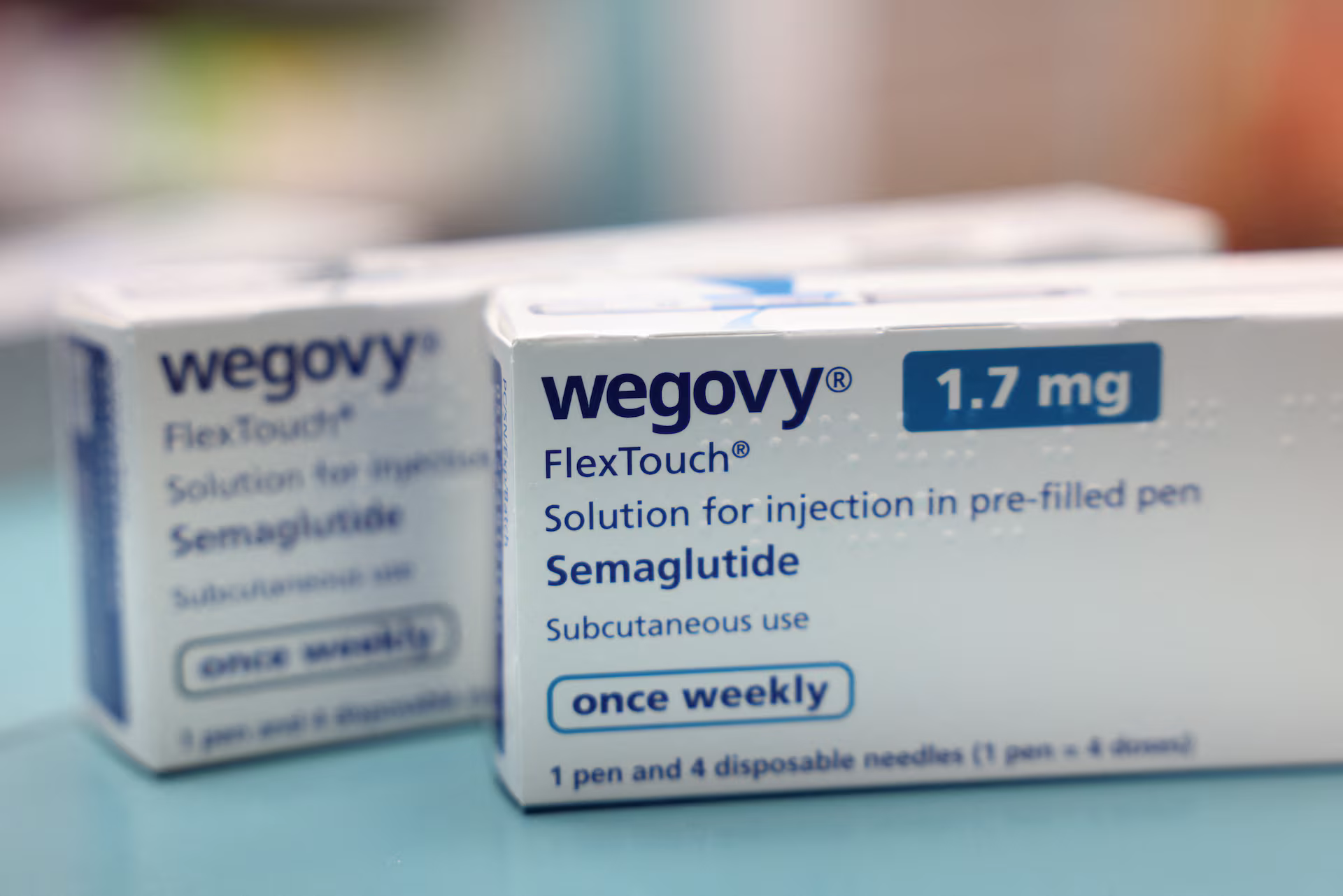
    The FDA approved Novo Nordisk’s once-daily Wegovy weight-loss pill in late December 2025, a regulatory green light that matters only if it translates into real-world prescribing and pharmacy availability. I have been drafting this article since the approval announcement, in keen anticiaption of the public product release. I finally get to fill in the blanks with verified information and publish, because obesity care is retail now; real-world orders and dispensing of the pill started officially, today!

    This morning (5 January 2026), Novo Nordisk didn’t just announce something, it changed the format of the obesity conversation. The company has now launched Wegovy as a once-daily pill in the US, with starter doses priced for self-pay patients and wide pharmacy availability. That matters because for millions of people, the barrier to GLP-1 treatment hasn’t been belief, it’s been needles, logistics, and follow-through.

    The deeper significance of this launch is not just that it’s Wegovy in another form but rather, a medication moving from a weekly injection to a daily tablet changes the shape of demand. Injections come with built-in friction: needle comfort, storage, technique, a weekly ritual, and a sense that this is specialist medicine. Pills remove some of that friction and make initiation more normal. And when initiation becomes normal, health systems inherit a new operational question: what happens after the first prescription? Novo’s launch strategy reinforces that shift because now, the clinical system must become stronger at everything that comes next, selection, support, monitoring, and maintenance.

    Reuters reports wide availability through major US pharmacies, including retail brands such as CVS and Costco, alongside telehealth partners. That combination, retail distribution plus telehealth routes, pushes obesity treatment closer to consumer channels. It doesn’t automatically make care worse. But it does change the risk profile, because consumer channels tend to scale faster than structured clinical follow-up.

    The pricing reported at launch is also best understood as a signal rather than a story in itself. Reuters reports starter doses priced at $149 per month for 1.5 mg and 4 mg, with higher doses (9 mg and 25 mg) at $299 per month, with a planned increase of the 4 mg dose to $199 from 15 April 2026.   Whether those prices feel low or high depends on context, but the strategic meaning is clear: reduce barriers to starting, then move people upward through dosing.

    Right now, it is important to anchor this discussion in clinical reality. The medication is not being launched because it is marginal; it is being launched because the evidence base is strong. Reuters reports late-stage trial results showing around 16.6% average weight loss over 64 weeks at the 25 mg dose. But if effectiveness explains why a pill exists, it does not explain whether we are ready for its scale.  Daily dosing changes adherence patterns for eaxmple, a missed weekly injection and a missed daily tablet are different behaviors. Moreover, daily regimens can fit routine more naturally, but they can also drift quietly, missed days that become weeks, inconsistent use, stop-start cycles, and symptom management done informally without clinical input.

    The launch also highlights the need to separate access from care. A pill doesn’t solve every access problem, but it reshapes what scale could look like, and it forces health systems to ask a harder question: are we ready for obesity treatment to move from a specialist, injection-led era into something closer to primary-care volume? If a health system expands access without expanding care infrastructure, it may create a short-term surge in starts followed by a long-term wave of discontinuation, complications, and public backlash. The danger is not that the medication does not work; it is that the system does not support people to use it well.

    Novo is also emphasizing readiness to meet demand, an important message after supply concerns in the broader GLP-1 category. Reuters reports Novo says it is prepared to meet demand for the oral product. Supply matters because continuity matters; obesity treatment is not a short course, it is chronic management. Interruptions can destabilize progress, increase frustration, and amplify narratives that frame obesity medication as hype rather than a legitimate long-term tool.

    Although this is a US launch, the implications are global. Once the form factor changes, public expectations shift internationally. Reuters’ reporting notes that a UK decision is expected by year-end 2026.  Whether a system is publicly funded, privately insured, or mixed, the same pressure will appear: why is a pill available “somewhere else”? why is access restricted? why is support uneven? A pill that scales quickly can accelerate those questions, and systems will need coherent answers. In effect, the success of this ‘pill era’ will depend not only on pharmacology, but on whether systems can create light-touch, scalable follow-up that prevents avoidable failures.

    The second operational shift is that pills often broaden the prescriber universe. When a therapy feels more familiar, more clinicians and more platforms are likely to offer it. That can be a positive development if it brings obesity care into mainstream chronic disease management. But it becomes risky if the medication is treated as the full intervention rather than the entry point into a structured pathway.

    Obesity treatment intersects with comorbidities, medication interactions, tolerability issues, and long-term maintenance planning. A growing cohort of patients starting treatment means a growing cohort needing guidance on side effects, dose escalation, expectations, plateaus, and discontinuation. This is where governance matters. The question then becomes, who decides whether a person should or should not take the pill; the patient or the provider?

    If obesity care is becoming retail, then health systems need clarity on ownership. When someone starts through telehealth or a retail channel, who holds longitudinal responsibility? Who ensures the right screening happens? Who checks for red flags? Who manages escalation when side effects are severe, or when rapid weight loss intersects with other conditions? Without clear ownership, the default becomes fragmentation, and fragmentation is where avoidable harm hides.

    The Wegovy pill is not simply a new product. It is a systems test of whether we can treat obesity like the chronic, multi-factor condition it is, at the volume the public has been waiting for. The most important questions now are not only about who can obtain the medication, but about what responsible scale looks like. If more people start treatment, who funds and owns follow-up? What guardrails should exist for high-volume prescribing through consumer channels? And how do we protect long-term outcomes from short-term narratives, so that this moment becomes a step forward in chronic disease care rather than another cycle of enthusiasm followed by disappointment?

    Quick facts box

    • US launch: 5 Jan 2026 
    • FDA approval reported: 22 Dec 2025 
    • Self-pay pricing at launch (reported): $149/month (1.5 mg, 4 mg); $299/month (9 mg, 25 mg); 4 mg rises to $199 from 15 Apr 2026 
    • Availability (reported): major US pharmacies + telehealth partners 
    • Efficacy headline (reported): ~16.6% weight loss at 64 weeks in trial 

    Sources:

    • Reuters – Novo Nordisk launches Wegovy weight-loss pill in the US (5 Jan 2026).
    • Reuters – Coverage of FDA approval of oral Wegovy (Dec 2025).
    • Reuters – Trial result coverage for oral semaglutide (16.6% at 64 weeks) and launch pricing details.

  • America’s Shift to Bilateral Aid: Disruption or Opportunity

    America’s Shift to Bilateral Aid: Disruption or Opportunity

    Rethinking America’s Shift to Bilateral Aid: A New Global Health Gamble

    When the United States quietly rolled out its new America First Global Health Strategy, it marked more than a policy update. It signaled a fundamental reimagining of how the world’s largest historical health donor intends to support countries managing epidemics, chronic conditions, and fragile health systems. But the path to this new strategic direction has been anything but smooth. A year marked by abrupt foreign aid cuts and the dismantling of US Agency of International Development (USAID), the decades-old agency that coordinated much of America’s global health footprint, forms the backdrop to a shift that health experts say carries real risks. Is this a new global health gamble?

    Let’s piece together what this pivot means, by unpacking what seems to be shaping it: disruption, opportunity, skepticism, and a rapidly closing window for negotiations.

    Officials vs. Practitioners

    While U.S. officials insist the change will drive efficiency and empower national governments, global health practitioners warn that the strategy introduces new uncertainties, a narrower set of priorities, and a timeline that threatens to rush countries into agreements they may not fully understand.

    The world after the cuts

    Before the new strategy even enters the conversation, many health systems are still dealing with the fallout of unexpected U.S. foreign assistance cuts earlier this year. Organizations in multiple countries were forced to scale down or close programs overnight. Workers who had been providing testing, community outreach, maternal health services, and disease surveillance suddenly found themselves without funding. Only months later, the U.S. introduced a policy that now asks countries to rapidly commit to a new funding model.

    Rachel Bonnifield of the Center for Global Development captured the contradiction when she noted that the approach could make sense for more stable, wealthier countries, but not for the poorest ones struggling to recover. She added that the rushed cut-offs earlier in the year made the transition far harder than necessary, saying they “just cut off tremendous numbers of awards and foreign assistance programs without warning.” The logic is simple: a disrupted system is not a ready system. Yet these are the same systems now being asked to sign onto five-year bilateral compacts.

    The Strategy: built on direct deals, not global partnerships

    At the heart of the new approach is a departure from multilateralism. Instead of routing funding through global health organizations or large implementing partners, the U.S. intends to negotiate one-on-one compacts with individual countries.

    Officials argue this will streamline operations and eliminate unnecessary administrative layers. They describe a world where funding flows with fewer intermediaries, countries negotiate directly with Washington, and overhead is reduced. According to one senior State Department official, countries are eager to be “brought to the table,” and see this as an opportunity to take greater control of their systems. But others doubt whether the picture is so simple.

    A senior aid worker explained that the so-called overhead often pays for what keeps systems functional: training, sanitation, medical education, and organizational management. As they put it, “A hospital is more than just a doctor and the medications.” Without these invisible systems, the visible ones collapse.

    The shift also sidelines NGOs, private health groups, and community organizations that often reach populations national ministries struggle to serve. Vulnerable groups, those in remote communities, informal settlements, or areas where government services don’t reach, may find themselves cut out.

    Deadlines: compressed timeline and high stakes negotiations

    The strategy sets an end-of-year deadline for completing agreements with the countries that receive the bulk of U.S. health funding. Negotiation teams have already visited 20 nations, and diplomats are speaking with dozens more.

    But speed is becoming a central concern. One experienced aid worker said many lower-income countries simply lack the capacity to negotiate under such pressure. If they need U.S. support to keep their programs running, and most do, they may feel compelled to sign whatever is put before them. As one put it, “They will agree to what they have to agree to, to keep going.”

    This sense of being cornered contrasts sharply with the U.S. narrative of collaborative partnership. Meanwhile, the U.S. government claims that early pilot programs in Kenya, Zambia, and Nigeria demonstrate the model’s success. But details on what success means, coverage expansion, cost reduction, improved outcomes, remain unclear.

    A narrower focus: what’s missing

    One of the most striking facts about the new strategy is what it leaves out.

    The U.S. will concentrate its efforts on:

             •       HIV/AIDS

             •       Tuberculosis

             •       Malaria

             •       Outbreak response

    Traditionally, U.S. global health engagements also supported:

             •       Immunization coverage

             •       Maternal and child health

             •       Nutrition

             •       Reproductive health

             •       Neglected tropical diseases

    But these areas receive little to no attention under the new framework. Bonnifield described these absences plainly: “There is minimal discussion of immunization, for example, or reproductive health … those are loudly absent.” The Modernizing Foreign Assistance Network (MFAN), a bipartisan advocacy group, also warned that the policy reflects an unusually narrow definition of “global health.” This narrowness matters. Health sectors do not operate in silos. Weak maternal health affects neonatal outcomes. Poor nutrition affects TB resilience. Limited immunization coverage increases outbreak vulnerability. Cutting one part of the ecosystem destabilizes all of it.

    Data: the most controversial piece

    One aspect of the new strategy that is raising confidential but widespread concern is the long-term data requirement. According to aid officials, the standard compact requests that countries share their epidemiological data with the U.S. for 25 years. While some nations have negotiated shorter terms, fears remain about:

    • how the data will be stored,
    • who will control it,
    • which private entities will access it, and
    • whether countries providing data will directly benefit from future innovations.

    A senior aid worker described it bluntly: “It’s not a data-sharing agreement. It’s a data-giving agreement.” This raises worry that pharmaceutical companies could use the data to advance research or commercial products without guaranteeing that newly developed treatments will be accessible or affordable to the countries that provided the raw information. The transactional framing marks a shift away from the Soft-Power-For-Good model that traditionally characterized U.S. global health leadership.

    Priorities: ties to U.S. business interests

    Perhaps the most symbolic indicator of the strategy’s new priorities is the announcement that the U.S. will provide “up to $150 million” to an American drone company to supply medical products in five African countries. While drones can indeed offer real logistical advantages in remote areas, the emphasis on a U.S. private firm underscores the strategy’s commercial dimension.

    One senior official described the new compacts as being modeled after “modern private-sector contracts” that encourage countries not just to improve their systems, but also to “deepen connections to the United States” and create market opportunities for American industries. This approach is consistent with the administration’s broader economic agenda, but it also shifts the character of global health assistance toward a more transactional, business-oriented model. A senior global health official acknowledged this change, saying, “It’s a lot more transactional than we’ve been before.”

    Concerns about capacity at home

    The strategy transfers enormous responsibility for global health management to the State Department, an agency that, according to MFAN’s report, “currently lacks sufficient staffing and systems” to manage what USAID previously oversaw.

    Managing complex bilateral health compacts, overseeing multi-country implementation, ensuring accountability, monitoring data agreements, and evaluating outcomes are tasks requiring specialized technical expertise, administrative architecture, and dedicated personnel. In short: it’s unclear whether the U.S. government is ready for the system it is attempting to build.

    Vision: high-risk with unknown outcomes

    It is possible that the new bilateral approach could push countries toward stronger ownership and greater long-term sustainability. Some officials genuinely believe this shift will be transformational. But health experts remain cautious, noting that the strategy asks fragile systems to take on more just months after losing steady U.S. support.

    Jeremy Konyndyk, president of Refugees International and former senior USAID disaster-aid and global health official summarized the concern with a sharp metaphor, arguing that instead of a careful transition, the U.S. has “just pushed Humpty Dumpty off the wall and left the country to pick up the pieces.”

    In conclusion…

    Whether this new chapter strengthens global health or strains it further will depend not only on political intention but also on implementation, timing, and the real capacity of both sides to manage the risks.

    For now, what the world is seeing is a major gamble: a compressed negotiation timeline, fewer intermediaries, narrower priorities, long-term data commitments, and a stronger commercial footprint. It is bold. It is disruptive. And, as many experts note, it is high-risk.

    Source articles:

    1. U.S. Department of State (2025). America First Global Health Strategy. Official policy document published on state.gov.

    2. CNN – Kent, L. & Hansler, J. (2025). “The US has released an ‘America First Global Health Strategy.’ Health experts warn it is risky.” CNN Politics, 26 Nov 2025.

    3. Center for Global Development – Bonnifield, R. (2025). “Unpacking the US’s New Global Health Strategy.” CGD Blog, Oct 2025.

    4. Think Global Health (2025). “Questions for the America First Global Health Strategy.” Council on Foreign Relations, Nov 2025.

  • The Hidden Crisis: Reflections on Stroke and the Fight for Better Care in West Africa

    The Hidden Crisis: Reflections on Stroke and the Fight for Better Care in West Africa


    Unseen Battles

    One year ago today, on the 1st November, my father passed away following complications from stroke. As I reflect on his life, I am reminded that his story is shared by thousands of families across West Africa, stories of strength, faith, and quiet endurance in the face of a devastating illness that too often claims lives far too soon. This post is both a tribute to his memory and a reminder of the urgent need to confront the growing burden of stroke in our region.


    Understanding Stroke

    A stroke occurs when blood flow to part of the brain is interrupted or reduced, depriving brain tissue of oxygen and nutrients. Within minutes, brain cells begin to die. The two main types are ischemic stroke, caused by a blockage such as a blood clot, and hemorrhagic stroke, caused by bleeding in the brain. Globally, stroke is the second leading cause of death and a major cause of long-term disability. Yet, what makes it particularly tragic is that up to 80% of strokes are preventable through the control of modifiable risk factors such as high blood pressure, diabetes, smoking, and unhealthy diets.

    In many African settings, however, the warning signs of stroke are not widely recognized, and emergency response systems are weak or underdeveloped. The classic warning signs can be remembered with the acronym FAST:
    F – Face drooping
    A – Arm weakness
    S – Speech difficulty
    T – Time to call for help immediately

    The African Reality
    Africa, particularly sub-saharan Africa, is experiencing a silent but alarming rise in stroke cases. According to the World Health Organization (WHO) and the Global Burden of Disease Study, Africa has some of the highest stroke mortality rates in the world, estimated at over 100 deaths per 100,000 people annually, compared to fewer than 50 in most high-income regions.

    In West Africa, studies from Nigeria, Ghana, and Cameroon reveal a disturbing trend: stroke is affecting people at younger ages, often in their 40s and 50s, decades earlier than in Western countries. Urbanization, sedentary lifestyles, high salt consumption, and limited access to preventive healthcare are driving this shift.

    Hypertension remains the single most important risk factor, yet millions remain undiagnosed or untreated. Many people only discover they have high blood pressure after suffering a stroke. Limited access to affordable medication and the perception that “feeling fine” means being healthy continue to hinder prevention.

    Why Stroke Outcomes Remain Poor
    When it comes to stroke, time is brain, every minute counts. But in much of Africa, emergency response is delayed by multiple barriers:

    • Low awareness of stroke symptoms means people often seek help too late.
    • Transportation challenges and the absence of reliable ambulance systems prolong the time to hospital arrival.
    • Financial constraints lead to delayed decision-making, as families must weigh treatment costs against household budgets.
    • Limited stroke units, specialized hospital departments equipped to handle acute stroke care, are rare, even in urban tertiary hospitals.

    In many facilities, brain imaging such as CT or MRI is unavailable or unaffordable, making accurate diagnosis difficult. As a result, treatment decisions often rely on symptoms rather than scans, leading to suboptimal outcomes.

    Life After Stroke: The Unseen Struggle
    For those who survive, life after stroke is often a long and uncertain journey. Recovery requires rehabilitation therapy, including physiotherapy, speech therapy, and occupational therapy, services that are either unavailable or too expensive for most families. Care often falls to relatives, who provide support with little training or external help. The burden, emotional, financial, and physical, can be overwhelming. In some communities, stroke survivors face stigma, being viewed as cursed or “spiritually attacked,” which further isolates them.

    My father’s journey reminded me how even the most resilient and disciplined individuals can find themselves vulnerable in systems not built for recovery. His determination inspired those around him, but it also exposed the gaps that so many families continue to face.

    Hope and Progress: Changing the Story
    Despite the challenges, there are reasons for hope. Across Africa, a growing movement is emerging to improve stroke prevention and care:

    • The African Stroke Organization (ASO), established in 2020, has been leading collaborative research, advocacy, and capacity building across the continent.
    • Community-based screening programs for hypertension and diabetes are expanding in Ghana, Nigeria, Kenya, and South Africa, supported by the WHO’s PEN (Package of Essential Noncommunicable Disease Interventions) program.
    • Mobile health initiatives, such as SMS reminders for medication adherence and blood pressure monitoring apps, are being piloted to improve long-term control of risk factors.
    • Public awareness campaigns, often led by medical societies and NGOs, are bringing stroke education to churches, workplaces, and radio talk shows, helping people recognize early warning signs.
    • While these steps are small compared to the scale of the challenge, they represent a shift in mindset, from reactive to preventive, from despair to determination.


    A Call to Action

    Tackling stroke in Africa requires a multi-level response:

    • Governments must integrate stroke care into national non-communicable disease policies and ensure essential medications remain affordable.
    • Health institutions must strengthen emergency systems, train more neurologists, and establish dedicated stroke units.
    • Communities and faith-based groups can play a vital role by promoting blood pressure checks and sharing accurate health information.
    • Individuals can take responsibility for regular screening, healthy eating, and exercise, because prevention begins long before crisis strikes.


    In Loving Memory
    As I write this, I think of my father’s courage and faith, even in illness. His life embodied service and discipline, and his passing deepened my understanding of how fragile, yet precious, health truly is.

    The KODAN Foundation, a nonprofit memorial established in his honor, seeks to carry that same spirit forward, to uplift others, spread hope, and champion causes that make a difference.

    If this reflection reaches even one person who decides to check their blood pressure, learn the signs of stroke, or support a loved one through recovery, then his legacy, and the purpose of this message, continues to live on.

    Sources / Helpful Resources

    • Owolabi, M. O., et al. (2023). The African Stroke Organization roadmap for stroke prevention and care in Africa. Lancet Neurology, 22(4), 308–322.
    • World Health Organization (2021). Package of Essential Noncommunicable (PEN) Disease Interventions for Primary Health Care in Low-Resource Settings, 2021 update. Geneva: WHO.
    • World Health Organization (2023). Cardiovascular diseases (CVDs): Key facts. https://www.who.int/news-room/fact-sheets/detail/cardiovascular-diseases-(cvds)
  • The Untapped Power of African Indigenous Foods:  Can they help in Obesity Prevention

    The Untapped Power of African Indigenous Foods: Can they help in Obesity Prevention

    The Shift Away From African Indigenous Foods and Obesity

    Over the past decade, the food landscape across Africa has been changing rapidly as obesity statistics continue to be one of the continent’s fastest growing diseases. In cities like Accra (Ghana), Lagos (Nigeria), and Nairobi (Kenya), Cape Town (South Africa), fast-food outlets, imported snacks, and processed cereals are becoming everyday staples. At the same time, rates of obesity, diabetes, and hypertension, once considered “Western problems”, are rising sharply across the continent. This alarming trend highlights the importance of understanding the relationship between obesity and African indigenous foods

    According to the World Health Organization, obesity in Africa has nearly tripled since 1975. Many experts attribute this to urbanization, marketing, and modern lifestyles. But there’s another part of the story that rarely gets told: the quiet disappearance of traditional African foods from everyday diets. What if the same untapped power of African indigenous foods past African generations relied on, simple, wholesome, and locally grown, hold some of the answers to this global health challenge?

    Understanding the Role of African Indigenous Foods and Obesity

    In times past, majority of Africans were raised on meals built around yam, plantain, kontomire stew, groundnut soup, and beans. These meals weren’t just tasty, they were nutrient-dense, filling, and balanced.

    But today, across many African cities, there’s been a nutrition transition:

    • Traditional foods are being replaced with fast food, instant noodles, white bread, and sugary drinks.
    • Supermarkets stock imported cereals and snacks that are marketed as “modern” or “healthy.”
    • There’s a perception among some younger people that local foods are “old-fashioned” or “poor man’s food.”

    The result? Calorie-dense but nutrient-poor diets, contributing to weight gain and lifestyle diseases. And yet, the very foods being sidelined are often lower in calories, higher in fiber, and richer in micronutrients than the imported alternatives.

    The Nutritional Power of Indigenous Foods

    Let’s take a closer look at just a few examples:

    Kontomire (Cocoyam Leaves): This leafy green is the star of Ghana’s famous kontomire stew. Nutritionally, it’s rich in beta-carotene (Vitamin A precursor), iron, calcium, and dietary fiber. It supports eye health, helps reduce anemia risk, and is low in calories.

    Why it matters for obesity: Fiber + nutrient density = more satiety, fewer empty calories. A hearty kontomire stew with yam or plantain fills you up in a way that fried rice and soda simply don’t.

    Millet and Sorghum: For centuries, these grains were staples across West and East Africa. They’re gluten-free, high in fiber, and have a lower glycemic index compared to polished white rice.

    Why it matters: Unlike refined carbs, millet and sorghum release energy slowly, reducing blood sugar spikes. This is critical for diabetes prevention and weight management. These examples aren’t “new discoveries.” They’ve been part of African diets for generations. What’s missing is the recognition and integration of these foods into modern nutrition guidance.

    Bambara Beans: Often overlooked, bambara beans are sometimes called the “complete food” because they contain a good balance of carbohydrates, protein, and fat. They’re resilient, drought-tolerant, and grow where other crops fail, making them a food security treasure.

    Health impact: High in plant protein and fiber, they improve satiety and stabilize blood sugar. Diets rich in legumes are consistently linked to lower obesity risk.

    How Traditional Meals Support Satiety and Metabolic Health

    One reason our grandparents’ plates kept people full for hours is the combo of fiber-rich greens, legumes, and slow-release starches. Leafy stews like kontomire add volume and micronutrients for very few calories; a valuable reason why African indigenous foods deserve a seat at the global nutrition table.

    Legumes, bambara beans, cowpeas, black-eyed beans, bring plant protein and soluble fiber that blunt blood-sugar spikes and increase satiety. Whole grains and roots, millet, sorghum, unripe/ripe plantain, yam, digest more slowly than refined imports, so energy is released steadily instead of all at once. Just as important is how we cook: boiling, steaming, grilling, stewing and baking generally use less added fat than deep-frying.

    When you pair a fiber-dense stew, a legume, and a smart carb, you get a plate that’s satisfying, nutrient-dense, and naturally portion-controlling, without calorie counting or exotic ingredients.

    Why This Matters for Obesity Prevention

    Obesity is a complex issue, influenced by genetics, lifestyle, and environment. But diet remains at the heart of prevention and management. Indigenous African foods offer three key advantages:

    • Satiety without excess calories: High fiber and protein content means you feel full longer. A bowl of beans or millet porridge sustains energy better than a pastry or instant noodles.
    • Nutrient density: These foods deliver vitamins and minerals alongside calories. That’s the opposite of processed imports, which often deliver calories without nutrition.
    • Cultural acceptability: Unlike imported “diet foods,” indigenous foods are familiar, affordable, and tied to cultural identity. That makes people more likely to adopt them long-term.

    The Missed Opportunity

    Here’s the challenge: Despite their benefits, indigenous foods are often absent from public health campaigns, dietitian advice, or popular calorie-tracking apps. Instead, the “obesity conversation” is dominated by Western diet templates, Mediterranean diets, keto, intermittent fasting, with little cultural adaptation.

    This creates barriers:

    • Nutritionists may struggle to recommend local foods if they don’t have reliable nutrient data.
    • Policymakers may overlook these foods in dietary guidelines.
    • Families may believe that imported foods are healthier simply because they’re promoted more.

    In short: Africa’s own foods are being ignored in the fight against obesity, even though they could be part of the solution.

    The Policy Blind Spot in Obesity Prevention

    Despite clear links between diet and obesity, most public health strategies in Africa, and even international obesity-prevention frameworks, still revolve around imported dietary models. Campaigns promote Mediterranean diets or Western-style “balanced plates,” but rarely feature local grains, beans, or leafy greens. This disconnect is partly historical: early nutrition research in Africa was heavily influenced by Western institutions that studied malnutrition, not obesity. As lifestyles changed, the research agenda didn’t keep pace. So today, while obesity rates soar, policymakers lack culturally relevant nutrition data and examples.

    Imagine if national guidelines emphasized kontomire stew, millet porridge, or bambara bean dishes instead of wheat bread or processed cereals. Schools, hospitals, and community programs could teach people to eat healthfully without abandoning familiar flavors. Until indigenous foods appear in policy and prevention messaging, the fight against obesity will always feel like someone else’s imported solution, not a homegrown one.

    The Good News

    There’s a growing movement to reclaim indigenous foods as both cultural heritage and public health tools. Across Ghana, Nigeria, Kenya, and beyond, chefs, nutritionists, and researchers are rediscovering local foods and reframing them as powerful allies for health. Imagine if obesity prevention programs highlighted kontomire stew or millet porridge as much as they do salads and smoothies. Imagine if school feeding programs leaned on bambara beans and sorghum instead of imported wheat products. Not only would this improve health outcomes, but it would also support local farmers and economies.

    A New Generation Reclaiming the Plate

    Across the continent and in the diaspora, a quiet food revolution is brewing. Young chefs, nutritionists, and innovators are rediscovering and modernizing traditional ingredients. In Ghana, culinary entrepreneurs are creating fonio cereals and bambara bean snacks. In Nigeria, wellness coaches promote millet-based smoothies as high-protein breakfast options. African food bloggers in London and New York are teaching global audiences how to make kontomire or egusi stews with local substitutes. These efforts matter because they reframe indigenous foods as modern and aspirational, not outdated. They also make healthy eating relatable, proof that you can honor culture while meeting today’s nutrition needs. If this movement grows, obesity prevention will no longer feel like restriction; it will feel like cultural pride on a plate.

    Closing Thoughts

    Africa’s obesity crisis won’t be solved by quick fixes or imported diet trends. It requires a return to the foods that sustained communities for centuries, foods that are affordable, accessible, and culturally meaningful. Indigenous African foods are not just relics of the past. They’re untapped tools for building a healthier future.

    Next time you’re planning a meal, think about how you can add more of these foods back onto your plate. And I’d love to hear from you: Which indigenous food keeps you feeling full and energized?

  • Why Indigenous African Foods Deserve a Place at the Global Nutrition Table

    Why Indigenous African Foods Deserve a Place at the Global Nutrition Table

    When you hear the word superfood, what comes to mind? Quinoa. Chia seeds. Kale. Those are great, but here’s something I’ve often wondered: why don’t we ever hear about indigenous African foods in global nutrition in the same conversations? Why are these native foods of Africa such as Kontomire, Bambara beans, or Fonio not found in the global nutrition tables and databases commonly used around the world? Let’s dive in!

    Growing up in Ghana, these foods were part of everyday meals. They weren’t exotic or trendy; they were just food. But as I’ve stepped into the wider health and nutrition space, I’ve realized how invisible our indigenous foods are in global discussions. And that invisibility matters more than we think.

    Indigenous African Foods in Global Nutrition: The Global Superfood Bias

    The global health and wellness industry has a way of putting certain foods on a pedestal. Marketing dollars, research funding, and Western dietary guidelines spotlight a select group of plants and grains, often missing native Africa foods.

    Meanwhile, our indigenous foods, rich in nutrients, steeped in culture, and perfectly suited for local climates, rarely get mentioned. They’re under-researched, under-promoted, and under-recognized. And yet, these foods are every bit as powerful as the ones sitting on health food store shelves.

    What’s at Stake

    • Health: Many indigenous foods are nutrient-dense and play a role in preventing chronic diseases.
    • Economy & Sustainability: If more people valued these foods, it could boost local farming, reduce reliance on imports, and strengthen food security.
    • Cultural pride: Indigenous foods carry history, identity, and tradition of a people. Recognizing them on the global stage validates that heritage.

    Hidden Gems From African Kitchens

    Let me give you a taste of what I mean:

    • Kontomire (cocoyam leaves), If you’ve ever had kontomire stew in Ghana, you know how hearty and comforting it is. Nutritionally, it’s high in fiber, antioxidants, and iron, yet most calorie-tracking apps don’t even list it.
    • Fonio, An ancient grain, naturally gluten-free, rich in iron, and good for blood sugar control. Cooked in minutes, it’s sometimes called the “lazy person’s rice,” but it’s a powerhouse in disguise.
    • Bambara beans, A protein-packed legume that grows in poor soils where other crops fail. Long considered “poor man’s food,” but in truth, it’s one of the most resilient and nourishing legumes Africa has to offer.

    These are just three of many. There are hundreds more, each with its own story.

    The Data Gap

    Another key point is, even though organizations like the FAO have published food composition tables for parts of Africa, and some national databases exist, the truth is that many indigenous foods are still missing or under-researched. This gap has ripple effects: nutritionists can’t confidently recommend local diets without reliable numbers; policymakers struggle to build food-based guidelines that reflect what people actually eat; and families themselves may undervalue traditional foods because they don’t have access to clear, trusted information.

    Lastly, food is not just about nutrients; it’s about culture, identity, and equity. And leaving African foods out of the global table is leaving part of the story untold.

    Time to Set a Bigger Table

    In conclusion, indigenous African foods have been missing from the conversation about global nutrition for far too long, especially when it comes to obesity and weight management. There has been pockets of work done by local researchers in some African countries but these are very limited, eg FAO database of South Africa. That needs to change. Not because they should replace quinoa or kale, but because they deserve a place alongside them.

    Join the Conversation

    Leave a comment below, and let’s start giving our foods the recognition they deserve, from a health and nutrition value perspective.

  • Weight-loss Drugs: Who Decides What You Can Have

    Weight-loss Drugs: Who Decides What You Can Have

    Behind the Buzz on Weight-Loss Drugs: Whose Decision is it to Use Them

    Ozempic. Mounjaro. Wegovy. Zepbound. These names have exploded into everyday conversations on social media, at the doctor’s office, and even around the dinner table. For some, these injections are life changing. But here’s the messy question: who really gets to decide if someone can use them? As discussions around weight-loss drugs grow, it’s essential to consider who truly benefits from these medications.

    Key Takeaway: The rise of weight-loss injections has created excitement, but access often depends on forces outside of the patient’s control.

    When considering weight-loss drugs, patients must weigh the benefits against potential risks. Ultimately, the question of about whose decision it is for a person to access these drugs rests on informed consent between patient and practitioner.

    The Science in Simple Terms

    These medications are known as GLP-1 receptor agonists. They mimic a natural hormone that regulates appetite and blood sugar. The result? You feel full faster, eat less, and keep blood sugar steady. That often means losing 10-20% of body weight, unprecedented for older drugs. But they only work while you’re taking them. Stop, and the weight usually returns. It’s not a quick fix; it’s a long-term therapy.

    Key Takeaway: GLP-1 drugs are effective, but they’re a commitment, not a one-time cure.

    The Ideal World: Shared Decision-Making

    The narrative surrounding this topic is vital for understanding patient autonomy. In healthcare, the gold standard is shared decision-making. You and your doctor weigh the risks, benefits, and your personal goals. With GLP-1s, that means discussing side effects, costs, and whether you’re ready for a long-term plan. Real-life cases illustrate the complexities of weight-loss drugs and patients access to treatment using these drugs.

    Key Takeaway: In theory, the decision belongs to the patient and doctor working together.

    The Reality Check: Insurers Hold the Power

    Here’s the twist: even if you and your doctor agree, your insurer may still say no. At around $1,000–$1,300 a month, the cost is out of reach for most people. Many insurers only cover the drugs for diabetes, not obesity. Some impose strict limits, like only covering two years of treatment.

    Key Takeaway: Insurance companies and costs often dictate access, overruling patient and doctor choices.

    Real Stories: Between Hope and Frustration

    One young woman lost 50 pounds on tirzepatide, felt healthier than ever, and had her doctor’s support. But her insurance cut her off because she didn’t meet BMI requirements. She was forced to switch to another drug that didn’t work as well. Meanwhile, others describe these drugs as life-changing, claiming improved health, mobility, and confidence. But whether you access them can come down to luck or financial privilege.

    Key Takeaway: Patient experiences highlight both the promise of these drugs and the unfair barriers that block access.

    Beyond the Official Channels: The Black Market

    Understanding whose decision it is for a person to use weight-loss drugs encompasses both ethical and practical dimensions.

    Some patients, unable to afford the official products, turn to unregulated online sellers or compounding pharmacies. These alternatives are cheaper but risky, dosing errors and impurities have already led to overdoses.

    Key Takeaway: When the system says no, people still find a way but not always safely.

    A Global Lens: WHO’s Stance

    The World Health Organisation (WHO), recently on 5 September 2025, added GLP-1 drugs to its Essential Medicines List, signaling that they’re important for public health. But recognition doesn’t equal access. Insurers and policymakers still act as powerful gatekeepers.

    Key Takeaway: Even global recognition can’t guarantee personal access—local systems still control the outcome.

    Final Thoughts: Who Really Decides?

    Ultimately, the discussion around whose decides a person’s choice to use weight-loss drugs is crucial for future policy-making. As global policies evolve, so does the conversation around weight-loss drugs and the decision-making for their accessibility.

    On paper, it should be you and your doctor. In practice, insurers and costs often make the final call. Until affordability and coverage improve, patients remain stuck between hope and bureaucracy.

    Key Takeaway: The decision to use weight-loss drugs isn’t always truly yours, and that’s the uncomfortable truth.

  • WHO Adds Weight-Loss Drugs to the Essential Medicines List: What It Means for the Rest of Us

    WHO Adds Weight-Loss Drugs to the Essential Medicines List: What It Means for the Rest of Us

    A Landmark Announcement

    The World Health Organization (WHO) just shook things up: On 5 September 2025, WHO added GLP-1 drugs for obesity and diabetes to its Essential Medicines List (EML), and urged pharmaceutical companies to develop affordable generic versions. Drugs like Ozempic and Mounjaro have officially been added to the Essential Medicines List; a guide usually reserved for lifesaving treatments like antibiotics or HIV medication that countries are urged to prioritize. So what happens when weight-loss injections join that club? Let’s dive in!

    Why This Matters Globally

    In essence, WHO is declaring that obesity and diabetes deserve the same level of attention as other major health conditions. This is a huge milestone. By putting GLP-1 drugs on the list, WHO is saying: obesity and diabetes deserve the same level of attention as other major health conditions. When the world’s top health body calls a drug “essential,” it signals to governments, insurers, and aid organizations that these medications are not luxury treatments but vital tools in tackling global health challenges.

    For years, obesity was brushed off as a lifestyle problem. WHO’s move flips that narrative. By putting GLP-1s on the Essential Medicines List, the organization is saying obesity and diabetes are serious medical conditions that deserves medical solutions and treating these with modern drugs is not optional, it is essential. This decision reframes obesity as a medical condition worthy of serious treatment.

    The Good News: What Could Change

    WHO’s move could eventually make GLP-1 drugs more visible, affordable, and globally accessible. Key changes that this can bring include:

    • Visibility: Obesity treatment gets global recognition, reducing stigma
    • Hope for Generics: WHO is urging affordable versions, which could bring prices down
    • Global Reach: Countries with rising diabetes rates could gain access if cheaper supplies become available

    The Challenges: Symbolism vs. Reality

    But let’s be clear, putting a drug on a list doesn’t automatically make it appear on pharmacy shelves. Many “essential” medicines still face shortages. GLP-1 drugs remain among the most expensive treatments today, with demand already outpacing supply. That opens the door to more black-market sales and counterfeit products. Unless affordability and regulation improve, access will remain uneven. What is important to note here is that symbolism doesn’t guarantee availability, cost and supply are still major barriers.

    What It Means for Ordinary People

    If you’re living with obesity or diabetes, this decision won’t change your access overnight. Insurance, national health systems, and personal finances still matter more in the short term. But it does set the stage for future progress. It validates patient struggles and says: your condition is real, serious, and deserves medical solutions. Right now, we are seeing only little changes day-to-day, but the WHO decision lays the foundation for future access.

    The Ripple Effect: Looking Ahead

    Historically, when WHO adds a drug to its list, it pressures governments to negotiate better prices, encourages pharma to increase production, and eventually paves the way for generics. Imagine a world where someone in Ghana or India can access these same drugs through public health systems, not because they’re wealthy but because they’re considered essential. That’s the long-term promise of this decision. The real impact may be seen years from now, as the decision pushes prices down and broadens access globally.

    Final Thoughts: A Symbolic Win, With Work to Do

    This move by WHO is a milestone but not the finish line. It won’t magically make GLP-1 drugs affordable tomorrow, but it changes the conversation. It signals to patients: you matter, your condition matters, and your treatment matters. WHO has opened the door. Now governments, insurers, and pharma must decide how wide it will swing.