Category: Health Systems

  • From Ward to Home: The Real Barriers to Community-Based Care

    From Ward to Home: The Real Barriers to Community-Based Care

    Providing patient care closer to home sounds like the most obvious improvement in the world. If someone doesn’t need a hospital bed, why keep them in one? Why not support them at home, where they sleep better, eat what they’re used to, and avoid hospital-acquired infections and deconditioning? Well, because home isn’t just a place, it’s a service.

    Moving a patient from ward to home is not about moving a person from one building to another. We’re talking about moving an entire chain of support: clinical monitoring, medicines management, rehabilitation, safeguarding, transport, carer support, equipment, and a clear escalation route if something changes overnight. Hospitals are expensive, but they are also the only part of the system designed to solve uncertainty at speed. Community services can be brilliant, but they are not built to absorb unlimited acute demand on command. That’s why shifting care out of hospital ward to home is hard. And it’s why the system keeps snapping back.

    Hospital unit or ward to home realities

    In a standard hospital, the system is built around rapid decisions and rapid rescue by default. Someone deteriorates, a nurse sees it, observations trigger escalation, a doctor reviews, a specialist is called, tests are done, and treatment changes within minutes or hours. Accountability is clear. The team is in one place and there is 24/7 cover by design. 

    Community care operates differently, it is built for continuity, not constant surveillance. Care is designed to manage long-term conditions, support recovery, and prevent crises, usually through planned visits, scheduled reviews, and multidisciplinary coordination across organisations. Even where community response teams exist, they are often balancing travel time, caseload complexity, and finite staffing. This pathway also relies heavily on the reality of the home environment: whether the patient can manage stairs, the heating works, there’s a carer, they can store medicines safely, they are cognitively able to follow instructions, and whether risks such as falls, domestic abuse, or self-neglect are present.

    So, when patient risks have been clinically managed the next question is not just “can they leave?” It is or should be “what support must exist for leaving to be safe?” This distinction is where many shift-left ambitions quietly struggle. The hospital discharge decision is often framed as a single moment but in truth, it is an operational handover into a complex system that isn’t always ready to receive.

    Why the system snaps back to hospital

    Hospitals are the default not because everyone loves the hospital, but because the hospital solves four problems instantly:

    1. Time: decisions can be made now, not next week.
    2. Risk: monitoring and rescue are built into the environment.
    3. Coordination: teams and diagnostics are co-located.
    4. Certainty: responsibility sits clearly with one organisation and one clinical chain of command.

    Community-based alternatives can achieve excellent outcomes, but the system snaps back when those four needs aren’t met quickly enough, especially time and risk. When uncertainty rises, hospital becomes the safest option by default. Not always the best option, but the safest option the system can guarantee today.

    So, what are the real barriers that create this snap-back effect and keeps care in the hospital?

    Community capacity is not sitting idle

    A common misconception is that community services have slack in the system, that there are spare staff who can simply pick up what hospitals stop doing. In reality, many community teams run close to full capacity. Their demand is steady and ongoing: wound care, catheter care, medication support, frailty reviews, palliative care, long-term condition management, and post-acute rehabilitation. Adding more work often means either increasing staffing (which is slow) or displacing existing work (which creates risk elsewhere).

    Unlike a ward or hospital unit, community work also includes travel time, lone working, and high variability. Two patients labelled “needs support at home” can require radically different levels of input. One might need a single check-in and a medicine review. Another might need multiple daily visits, personal care, mobility equipment, and close monitoring. So, when hospitals try to shift more patients to the community, the system often faces a simple reality that capacity may not be readily available, and it cannot be created instantly.

    The 24/7 gap changes decisions

    Hospitals don’t just provide treatment; they provide reassurance that someone is watching. That matters most at the edges: the patient who is borderline stable, the older adult with delirium risk, the patient whose breathing is just a little worse tonight than yesterday, or the patient who should be fine but has multiple conditions and doesn’t cope well when anything changes.

    In many areas, community services are not configured for continuous monitoring or rapid overnight escalation. Even when out-of-hours services exist, they can be stretched, fragmented, or not equipped with the same diagnostics and staffing mix as acute care. This gap shapes decisions. If it’s 9pm and a clinician has a choice between sending someone home with limited overnight support or admitting them for observation (just to be safe), the default becomes admission. Not because the person definitely needs inpatient care, but because the system cannot reliably provide a safe alternative at that moment. Shift-out plans often fail on this point: community pathways can look strong on paper during office hours, but the system doesn’t experience demand only during office hours.

    Risk and accountability aren’t shared cleanly

    In acute care, risk is held by the institution and visible to the team. In community care, risk is distributed across multiple organisations, primary care, community providers, social care, and sometimes the voluntary sector. When a plan fails, it is not always obvious who owned the decision or whether the decision was reasonable given the information available at the time. This matters because often, people don’t avoid risk; they avoid unmanaged risk. If a clinician keeps a patient at home and something goes wrong, the question that follows is often framed as “why wasn’t this person admitted”? That creates a strong gravitational pull toward hospital admission when there is uncertainty.

    For a hospital ward-to-home pathway to work at scale, risk has to be designed, not assumed. For example, having clear thresholds for home management versus admission, shared escalation protocols, easy access to senior clinical advice and agreed responsibility for follow-up and review. Without that, the safest professional choice often becomes the most conservative choice: keep the person where the safety net is thickest.

    Disparity in social care and real-life home conditions

    A patient can be clinically ready for discharge but still not safe at home. Home might mean stairs with no railings and a person who can’t manage them yet, no heating and worsening respiratory problems, a carer who is untrained, safeguarding concerns, cognitive impairment with poor medication adherence or high falls risk without equipment or supervision. Social care packages (home care support) can take time to arrange. Equipment may not arrive on the same day. Home adaptations don’t happen overnight. Family support cannot always be assumed. And where there is a shortage of carers, the entire home support plan becomes fragile. This is also an equity issue.

    Home is not equally safe or equally supportive for everyone. If we push ward-to-home without addressing housing, social care capacity, and the practical realities of daily living, the burden falls hardest on people already facing disadvantage, and the system may see a rebound in the form of revisits, crisis calls, and preventable deterioration.

    Behind-the-scenes handovers are not smooth

    When handover information like basics referrals, records, medication lists, and follow-up plans don’t travel smoothly between teams, patients bounce back. Even when community services exist, the pathway can fail at the seams. Community teams need timely, accurate information: diagnosis, test results, medication changes, functional status, risk factors, and the plan. If discharge information arrives late, or is incomplete, or is not shared across the right systems, community clinicians cannot safely pick up care. The result is predictable: missed follow-ups, confusion over medication, delayed assessments, or duplicated work, and then the patient returns to hospital because things went wrong at home. This is what makes discharge feel like a cliff edge, not because community teams don’t want to help, but because the system lacks reliable handover infrastructure.

    Moving patients form hospital ward to home succeeds when handover behind the scenes is boring and dependable: simple referral criteria, one point of contact for urgent queries, a shared care plan that the patient and family understand, robust medication reconciliation and a clear responsibility and trigger for the next review. When these basics aren’t in place, the system’s safest move is to keep the patient where coordination is easiest: in hospital.

    Incentives don’t move at the speed of patients

    This is the barrier we talk around, but it sits under everything. The uncomfortable truth is that shifting care out of hospital usually creates a period where you need to fund both systems at once. Leaders are often asked to reduce acute pressure while simultaneously managing deficits. That makes invest now for savings later financially hard, even when it is strategically right. Hospitals carry fixed costs: estates, on-call cover, diagnostics, specialist staffing. You don’t save money the moment a few patients are treated elsewhere. Meanwhile, investing in community pathways requires upfront funding: recruitment, training, digital infrastructure, equipment, and often new models like rapid response or step-up/step-down services.

    When funding does not protect community build-out, it gets swallowed by immediate hospital pressures, because those pressures are visible, urgent, and measurable today. The result is a partial shift: discharge pressure increases, but the community alternative is underpowered. And then the system snaps back through readmissions, emergency department reattendance, and delayed recovery.

    Switching off the ward before the home is ready

    The biggest mistake in many shift-out strategies is treating it like a simple substitution: reduce bed base, and community will absorb the difference. In reality, you often need a bridge period, a time where you deliberately run both models. That means supporting people at home and keeping enough acute capacity as a safety buffer while the new pathway stabilises. This is not waste. It’s transition.

    The bridge period covers the messy middle: recruitment delays, learning curves, pathway refinement, trust-building between teams, data-sharing fixes, and building confidence that the community response is dependable. Without that bridge, a system that reduces acute capacity too early creates risk, and risk drives behaviour. Behaviour then pulls demand back into hospital, whether through admission decisions, longer stays, or repeat attendances. Ward-to-home fails when it’s treated as a cost-cutting exercise first and a safety redesign second. It works best when it’s treated as a reliability project: making the community alternative dependable enough that clinicians and patients trust it.

    Looking ahead

    Hospitals keep winning because they are built to manage uncertainty, risk, and time pressure with 24/7 certainty. Community care can absolutely deliver better outcomes for many patients, but only when it is resourced, connected, and trusted as a reliable alternative. If home is treated as a destination rather than a service, the system will keep snapping back. If it’s treated as an engineered pathway, with capacity, shared accountability, strong handoffs, and a deliberate bridge period, then moving patients from hospital wards to home becomes a safer, smarter way to care. Until then, the rebound isn’t a mystery. It’s the system doing what it was designed to do: choosing the only safety net it can guarantee.

  • Obesity Care Is Becoming Retail: Are Health Systems Ready for the Weight-loss Pill Era?

    Obesity Care Is Becoming Retail: Are Health Systems Ready for the Weight-loss Pill Era?

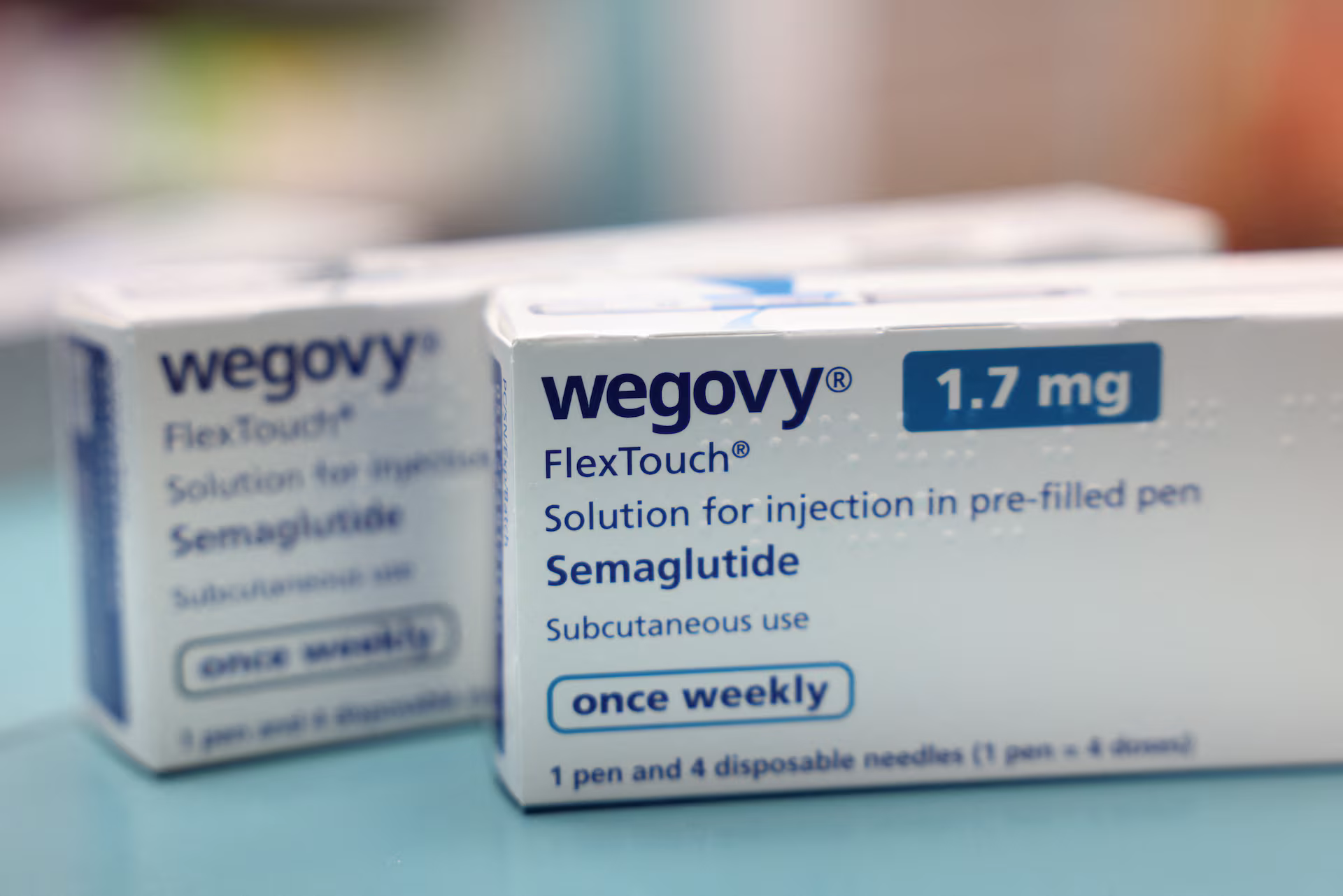
    The FDA approved Novo Nordisk’s once-daily Wegovy weight-loss pill in late December 2025, a regulatory green light that matters only if it translates into real-world prescribing and pharmacy availability. I have been drafting this article since the approval announcement, in keen anticiaption of the public product release. I finally get to fill in the blanks with verified information and publish, because obesity care is retail now; real-world orders and dispensing of the pill started officially, today!

    This morning (5 January 2026), Novo Nordisk didn’t just announce something, it changed the format of the obesity conversation. The company has now launched Wegovy as a once-daily pill in the US, with starter doses priced for self-pay patients and wide pharmacy availability. That matters because for millions of people, the barrier to GLP-1 treatment hasn’t been belief, it’s been needles, logistics, and follow-through.

    The deeper significance of this launch is not just that it’s Wegovy in another form but rather, a medication moving from a weekly injection to a daily tablet changes the shape of demand. Injections come with built-in friction: needle comfort, storage, technique, a weekly ritual, and a sense that this is specialist medicine. Pills remove some of that friction and make initiation more normal. And when initiation becomes normal, health systems inherit a new operational question: what happens after the first prescription? Novo’s launch strategy reinforces that shift because now, the clinical system must become stronger at everything that comes next, selection, support, monitoring, and maintenance.

    Reuters reports wide availability through major US pharmacies, including retail brands such as CVS and Costco, alongside telehealth partners. That combination, retail distribution plus telehealth routes, pushes obesity treatment closer to consumer channels. It doesn’t automatically make care worse. But it does change the risk profile, because consumer channels tend to scale faster than structured clinical follow-up.

    The pricing reported at launch is also best understood as a signal rather than a story in itself. Reuters reports starter doses priced at $149 per month for 1.5 mg and 4 mg, with higher doses (9 mg and 25 mg) at $299 per month, with a planned increase of the 4 mg dose to $199 from 15 April 2026.   Whether those prices feel low or high depends on context, but the strategic meaning is clear: reduce barriers to starting, then move people upward through dosing.

    Right now, it is important to anchor this discussion in clinical reality. The medication is not being launched because it is marginal; it is being launched because the evidence base is strong. Reuters reports late-stage trial results showing around 16.6% average weight loss over 64 weeks at the 25 mg dose. But if effectiveness explains why a pill exists, it does not explain whether we are ready for its scale.  Daily dosing changes adherence patterns for eaxmple, a missed weekly injection and a missed daily tablet are different behaviors. Moreover, daily regimens can fit routine more naturally, but they can also drift quietly, missed days that become weeks, inconsistent use, stop-start cycles, and symptom management done informally without clinical input.

    The launch also highlights the need to separate access from care. A pill doesn’t solve every access problem, but it reshapes what scale could look like, and it forces health systems to ask a harder question: are we ready for obesity treatment to move from a specialist, injection-led era into something closer to primary-care volume? If a health system expands access without expanding care infrastructure, it may create a short-term surge in starts followed by a long-term wave of discontinuation, complications, and public backlash. The danger is not that the medication does not work; it is that the system does not support people to use it well.

    Novo is also emphasizing readiness to meet demand, an important message after supply concerns in the broader GLP-1 category. Reuters reports Novo says it is prepared to meet demand for the oral product. Supply matters because continuity matters; obesity treatment is not a short course, it is chronic management. Interruptions can destabilize progress, increase frustration, and amplify narratives that frame obesity medication as hype rather than a legitimate long-term tool.

    Although this is a US launch, the implications are global. Once the form factor changes, public expectations shift internationally. Reuters’ reporting notes that a UK decision is expected by year-end 2026.  Whether a system is publicly funded, privately insured, or mixed, the same pressure will appear: why is a pill available “somewhere else”? why is access restricted? why is support uneven? A pill that scales quickly can accelerate those questions, and systems will need coherent answers. In effect, the success of this ‘pill era’ will depend not only on pharmacology, but on whether systems can create light-touch, scalable follow-up that prevents avoidable failures.

    The second operational shift is that pills often broaden the prescriber universe. When a therapy feels more familiar, more clinicians and more platforms are likely to offer it. That can be a positive development if it brings obesity care into mainstream chronic disease management. But it becomes risky if the medication is treated as the full intervention rather than the entry point into a structured pathway.

    Obesity treatment intersects with comorbidities, medication interactions, tolerability issues, and long-term maintenance planning. A growing cohort of patients starting treatment means a growing cohort needing guidance on side effects, dose escalation, expectations, plateaus, and discontinuation. This is where governance matters.

    If obesity care is becoming retail, then health systems need clarity on ownership. When someone starts through telehealth or a retail channel, who holds longitudinal responsibility? Who ensures the right screening happens? Who checks for red flags? Who manages escalation when side effects are severe, or when rapid weight loss intersects with other conditions? Without clear ownership, the default becomes fragmentation, and fragmentation is where avoidable harm hides.

    The Wegovy pill is not simply a new product. It is a systems test of whether we can treat obesity like the chronic, multi-factor condition it is, at the volume the public has been waiting for. The most important questions now are not only about who can obtain the medication, but about what responsible scale looks like. If more people start treatment, who funds and owns follow-up? What guardrails should exist for high-volume prescribing through consumer channels? And how do we protect long-term outcomes from short-term narratives, so that this moment becomes a step forward in chronic disease care rather than another cycle of enthusiasm followed by disappointment?

    Quick facts box

    • US launch: 5 Jan 2026 
    • FDA approval reported: 22 Dec 2025 
    • Self-pay pricing at launch (reported): $149/month (1.5 mg, 4 mg); $299/month (9 mg, 25 mg); 4 mg rises to $199 from 15 Apr 2026 
    • Availability (reported): major US pharmacies + telehealth partners 
    • Efficacy headline (reported): ~16.6% weight loss at 64 weeks in trial 

    Sources:

    • Reuters – Novo Nordisk launches Wegovy weight-loss pill in the US (5 Jan 2026).
    • Reuters – Coverage of FDA approval of oral Wegovy (Dec 2025).
    • Reuters – Trial result coverage for oral semaglutide (16.6% at 64 weeks) and launch pricing details.

  • Rethinking America’s Shift to Bilateral Aid: A New Global Health Gamble?

    Rethinking America’s Shift to Bilateral Aid: A New Global Health Gamble?

    When the United States quietly rolled out its new “America First Global Health Strategy,” it marked more than a policy update. It signaled a fundamental reimagining of how the world’s largest historical health donor intends to support countries managing epidemics, chronic conditions, and fragile health systems. But the path to this new strategic direction has been anything but smooth. A year marked by abrupt foreign aid cuts and the dismantling of USAID, the decades-old agency that coordinated much of America’s global health footprint, forms the backdrop to a shift that health experts say carries real risks. Is this a new global health gamble?

    Let’s piece together what this pivot means, by unpacking what seems to be shaping it: disruption, opportunity, skepticism, and a rapidly closing window for negotiations.

    Officials vs. Practitioners

    While U.S. officials insist the change will drive efficiency and empower national governments, global health practitioners warn that the strategy introduces new uncertainties, a narrower set of priorities, and a timeline that threatens to rush countries into agreements they may not fully understand.

    The world after the cuts

    Before the new strategy even enters the conversation, many health systems are still dealing with the fallout of unexpected U.S. foreign assistance cuts earlier this year. Organizations in multiple countries were forced to scale down or close programs overnight. Workers who had been providing testing, community outreach, maternal health services, and disease surveillance suddenly found themselves without funding. Only months later, the U.S. introduced a policy that now asks countries to rapidly commit to a new funding model.

    Rachel Bonnifield of the Center for Global Development captured the contradiction when she noted that the approach could make sense for more stable, wealthier countries, but not for the poorest ones struggling to recover. She added that the rushed cut-offs earlier in the year made the transition far harder than necessary, saying they “just cut off tremendous numbers of awards and foreign assistance programs without warning.” The logic is simple: a disrupted system is not a ready system. Yet these are the same systems now being asked to sign onto five-year bilateral compacts.

    The Strategy: built on direct deals, not global partnerships

    At the heart of the new approach is a departure from multilateralism. Instead of routing funding through global health organizations or large implementing partners, the U.S. intends to negotiate one-on-one compacts with individual countries.

    Officials argue this will streamline operations and eliminate unnecessary administrative layers. They describe a world where funding flows with fewer intermediaries, countries negotiate directly with Washington, and overhead is reduced. According to one senior State Department official, countries are eager to be “brought to the table,” and see this as an opportunity to take greater control of their systems. But others doubt whether the picture is so simple.

    A senior aid worker explained that the so-called overhead often pays for what keeps systems functional: training, sanitation, medical education, and organizational management. As they put it, “A hospital is more than just a doctor and the medications.” Without these invisible systems, the visible ones collapse.

    The shift also sidelines NGOs, private health groups, and community organizations that often reach populations national ministries struggle to serve. Vulnerable groups, those in remote communities, informal settlements, or areas where government services don’t reach, may find themselves cut out.

    Deadlines: compressed timeline and high stakes negotiations

    The strategy sets an end-of-year deadline for completing agreements with the countries that receive the bulk of U.S. health funding. Negotiation teams have already visited 20 nations, and diplomats are speaking with dozens more.

    But speed is becoming a central concern. One experienced aid worker said many lower-income countries simply lack the capacity to negotiate under such pressure. If they need U.S. support to keep their programs running, and most do, they may feel compelled to sign whatever is put before them. As one put it, “They will agree to what they have to agree to, to keep going.”

    This sense of being cornered contrasts sharply with the U.S. narrative of collaborative partnership. Meanwhile, the U.S. government claims that early pilot programs in Kenya, Zambia, and Nigeria demonstrate the model’s success. But details on what success means, coverage expansion, cost reduction, improved outcomes, remain unclear.

    A narrower focus: what’s missing

    One of the most striking facts about the new strategy is what it leaves out.

    The U.S. will concentrate its efforts on:

             •       HIV/AIDS

             •       Tuberculosis

             •       Malaria

             •       Outbreak response

    Traditionally, U.S. global health engagements also supported:

             •       Immunization coverage

             •       Maternal and child health

             •       Nutrition

             •       Reproductive health

             •       Neglected tropical diseases

    But these areas receive little to no attention under the new framework. Bonnifield described these absences plainly: “There is minimal discussion of immunization, for example, or reproductive health … those are loudly absent.” The Modernizing Foreign Assistance Network (MFAN), a bipartisan advocacy group, also warned that the policy reflects an unusually narrow definition of “global health.” This narrowness matters. Health sectors do not operate in silos. Weak maternal health affects neonatal outcomes. Poor nutrition affects TB resilience. Limited immunization coverage increases outbreak vulnerability. Cutting one part of the ecosystem destabilizes all of it.

    Data: the most controversial piece

    One aspect of the new strategy that is raising confidential but widespread concern is the long-term data requirement. According to aid officials, the standard compact requests that countries share their epidemiological data with the U.S. for 25 years. While some nations have negotiated shorter terms, fears remain about:

    • how the data will be stored,
    • who will control it,
    • which private entities will access it, and
    • whether countries providing data will directly benefit from future innovations.

    A senior aid worker described it bluntly: “It’s not a data-sharing agreement. It’s a data-giving agreement.” This raises worry that pharmaceutical companies could use the data to advance research or commercial products without guaranteeing that newly developed treatments will be accessible or affordable to the countries that provided the raw information. The transactional framing marks a shift away from the Soft-Power-For-Good model that traditionally characterized U.S. global health leadership.

    Priorities: ties to U.S. business interests

    Perhaps the most symbolic indicator of the strategy’s new priorities is the announcement that the U.S. will provide “up to $150 million” to an American drone company to supply medical products in five African countries. While drones can indeed offer real logistical advantages in remote areas, the emphasis on a U.S. private firm underscores the strategy’s commercial dimension.

    One senior official described the new compacts as being modeled after “modern private-sector contracts” that encourage countries not just to improve their systems, but also to “deepen connections to the United States” and create market opportunities for American industries. This approach is consistent with the administration’s broader economic agenda, but it also shifts the character of global health assistance toward a more transactional, business-oriented model. A senior global health official acknowledged this change, saying, “It’s a lot more transactional than we’ve been before.”

    Concerns about capacity at home

    The strategy transfers enormous responsibility for global health management to the State Department, an agency that, according to MFAN’s report, “currently lacks sufficient staffing and systems” to manage what USAID previously oversaw.

    Managing complex bilateral health compacts, overseeing multi-country implementation, ensuring accountability, monitoring data agreements, and evaluating outcomes are tasks requiring specialized technical expertise, administrative architecture, and dedicated personnel. In short: it’s unclear whether the U.S. government is ready for the system it is attempting to build.

    Vision: high-risk with unknown outcomes

    It is possible that the new bilateral approach could push countries toward stronger ownership and greater long-term sustainability. Some officials genuinely believe this shift will be transformational. But health experts remain cautious, noting that the strategy asks fragile systems to take on more just months after losing steady U.S. support.

    Jeremy Konyndyk, president of Refugees International and former senior USAID disaster-aid and global health official summarized the concern with a sharp metaphor, arguing that instead of a careful transition, the U.S. has “just pushed Humpty Dumpty off the wall and left the country to pick up the pieces.”

    In conclusion…

    Whether this new chapter strengthens global health or strains it further will depend not only on political intention but also on implementation, timing, and the real capacity of both sides to manage the risks.

    For now, what the world is seeing is a major gamble: a compressed negotiation timeline, fewer intermediaries, narrower priorities, long-term data commitments, and a stronger commercial footprint. It is bold. It is disruptive. And, as many experts note, it is high-risk.

    Source articles:

    1. U.S. Department of State (2025). America First Global Health Strategy. Official policy document published on state.gov.

    2. CNN – Kent, L. & Hansler, J. (2025). “The US has released an ‘America First Global Health Strategy.’ Health experts warn it is risky.” CNN Politics, 26 Nov 2025.

    3. Center for Global Development – Bonnifield, R. (2025). “Unpacking the US’s New Global Health Strategy.” CGD Blog, Oct 2025.

    4. Think Global Health (2025). “Questions for the America First Global Health Strategy.” Council on Foreign Relations, Nov 2025.

  • Weight-Loss Drugs: Whose decision is it to use them?

    Weight-Loss Drugs: Whose decision is it to use them?

    A Big Question Behind the Buzz

    Ozempic. Mounjaro. Wegovy. Zepbound. These names have exploded into everyday conversations on social media, at the doctor’s office, and even around the dinner table. For some, these injections are life changing. But here’s the messy question: who really gets to decide if someone can use them? Let’s dive in !

    Key Takeaway: The rise of weight-loss injections has created excitement, but access often depends on forces outside of the patient’s control.

    The Science in Simple Terms

    These medications are known as GLP-1 receptor agonists. They mimic a natural hormone that regulates appetite and blood sugar. The result? You feel full faster, eat less, and keep blood sugar steady. That often means losing 10-20% of body weight, unprecedented for older drugs. But they only work while you’re taking them. Stop, and the weight usually returns. It’s not a quick fix; it’s a long-term therapy.

    Key Takeaway: GLP-1 drugs are effective, but they’re a commitment, not a one-time cure.

    The Ideal World: Shared Decision-Making

    In healthcare, the gold standard is shared decision-making. You and your doctor weigh the risks, benefits, and your personal goals. With GLP-1s, that means discussing side effects, costs, and whether you’re ready for a long-term plan.

    Key Takeaway: In theory, the decision belongs to the patient and doctor working together.

    The Reality Check: Insurers Hold the Power

    Here’s the twist: even if you and your doctor agree, your insurer may still say no. At around $1,000–$1,300 a month, the cost is out of reach for most people. Many insurers only cover the drugs for diabetes, not obesity. Some impose strict limits, like only covering two years of treatment.

    Key Takeaway: Insurance companies and costs often dictate access, overruling patient and doctor choices.

    Real Stories: Between Hope and Frustration

    One young woman lost 50 pounds on tirzepatide, felt healthier than ever, and had her doctor’s support. But her insurance cut her off because she didn’t meet BMI requirements. She was forced to switch to another drug that didn’t work as well. Meanwhile, others describe these drugs as life-changing, claiming improved health, mobility, and confidence. But whether you access them can come down to luck or financial privilege.

    Key Takeaway: Patient experiences highlight both the promise of these drugs and the unfair barriers that block access.

    Beyond the Official Channels: The Black Market

    Some patients, unable to afford the official products, turn to unregulated online sellers or compounding pharmacies. These alternatives are cheaper but risky, dosing errors and impurities have already led to overdoses.

    Key Takeaway: When the system says no, people still find a way but not always safely.

    A Global Lens: WHO’s Stance

    The WHO recently on 5 September 2025, added GLP-1 drugs to its Essential Medicines List, signaling that they’re important for public health. But recognition doesn’t equal access. Insurers and policymakers still act as powerful gatekeepers.

    Key Takeaway: Even global recognition can’t guarantee personal access—local systems still control the outcome.

    Final Thoughts: Who Really Decides?

    On paper, it should be you and your doctor. In practice, insurers and costs often make the final call. Until affordability and coverage improve, patients remain stuck between hope and bureaucracy.

    Key Takeaway: The decision to use weight-loss drugs isn’t always truly yours, and that’s the uncomfortable truth.

  • Mounjaro and the Politics of Price:The New UK Price Shockwave

    Mounjaro and the Politics of Price:The New UK Price Shockwave

    On 1 September 2025, Mounjaro, Eli Lilly’s diabetes and weight-loss drug formulation of tirzepatide, will see a price hike in the UK of about 170%, with smaller increases on lower doses. It’s the kind of announcement that leaves many people asking: how did we get here; how is a lifesaving therapy a luxury for some and not others? And what does this split say about fairness and access within the UK’s healthcare system? Let’s dive in!

    What Mounjaro Does: Why This Hike Matters

    Mounjaro, a weekly injection originally developed to improve blood-sugar control in people with type 2 diabetes, quickly gained attention for its dramatic weight-loss results. Beyond its clinical purpose, the medication has sparked a wave of hope for those who have long struggled with obesity and related health challenges. It has also become part of everyday conversations, from doctor’s offices to social media, as more people share their personal journeys on it. For many, Mounjaro is not just another drug in the medicine cabinet or cooler, it has been a lifeline. With its popularity rising so fast, it’s no surprise that changes in price are causing some strong reactions.

    The UK Fallout: From Lifeline to Luxury

    The dramatic increase affects private prescriptions only; the National Health Service (NHS) has a separate pricing agreement. Therefore, patients receiving Mounjaro through the NHS will not see a change, at least not yet. However, because eligibility for NHS prescriptions of the drug is strict and limited, and majority of patients obtain the drug through private providers, the impact of this is significant. For private prescription patients in the UK, this means those on the highest dose could see their monthly bill jump from about £122 to £330 or more. In comparison, the same dose in the United States costs nearly $1,000 for patients paying out of pocket. Eli Lilly says the price increase brings the UK into line with other developed countries.

    The Bigger Picture: More Than Just Numbers

    The announcement wasn’t random. In July, U.S. President Donald Trump sent letters to major pharmaceutical companies, demanding they lower the cost of medicines for Americans, or face consequences. In response, Eli Lilly said it would “rebalance” its pricing worldwide. As part of that plan, the company said it will raise UK list prices while seeking cuts in the United States, in effect, shifting costs from one market to another. Translation: keep U.S. prices down by hiking prices elsewhere, including Europe and the UK. 

    The move fits into a bigger pattern. For decades, Americans have paid some of the world’s highest prices for medicines. By contrast, European governments, like the NHS, negotiate lower rates. To resolve the imbalance, Eli Lilly seems to be shifting the burden, which now raises a troubling question: are UK patients now collateral damage in America’s battle over drug costs? On one hand, lowering prices in the United States addresses a long‑standing issue: Americans pay more for medicines than citizens of many other rich countries. On the other hand, shifting the burden to UK patients raises questions of equity. Is it fair to make one group of patients pay more so that another can pay less? 

    Profits vs People: Who Really Pays The Price?

    The Mounjaro story shines a spotlight on how political decisions in one country ripple across the world. A letter from Washington lands on pharma CEOs’ desks, and within weeks patients in the UK and Europe face higher prices. When Mounjaro launched in early 2024, the UK list price was set lower than in many European markets, to ensure fast NHS access and to help private patients while similar drugs were scarce. But now, the calculus has changed after U.S. political pressure, and patients in the UK especially private ones will face the brunt of it all.

    This story also highlights the complexities of global drug pricing. This isn’t just about one drug. It’s about who shoulders the cost of healthcare in a global system tilted toward profit. Pharmaceutical companies often defend high prices as necessary for research and development. But let’s not forget, Eli Lilly reported record revenues from Mounjaro last year. It’s already one of the most profitable drugs on the planet. So is this about funding innovation, or protecting profits? And what about prevention? If patients abandon treatment because of cost, the NHS could end up with more diabetes complications, more hospital admissions, and higher bills down the line.

    Health Equity on trial: Private vs NHS

    Imagine two people using the same medicine. One pays almost nothing at the pharmacy counter, the other pays hundreds of pounds every month out of pocket. That’s the reality now facing Mounjaro users in the UK. The situation also exposes a two‑tier system within the UK. Patients who qualify for NHS coverage avoid the price surge, while others, often those who sought timely treatment outside the NHS shoulder the full cost. This disparity reflects a deeper divide and invites a wider debate about how essential medicines are funded, and who bears the burden when prices change.

    The news of the hike has prompted panic buying. In the last couple of weeks, reports have surfaced of private patients ordering multiple Mounjaro pens at once to lock in lower prices before the September deadline. Some online pharmacies have responded by freezing prices temporarily to protect patients. Health professionals warn that stockpiling can lead to shortages and counterfeit products.

    By combining the narratives of the initial price hike and the split reality between NHS and private patients, it becomes clear that the real issue is equitable access. Mounjaro’s price shock illustrates how international policy, corporate strategies and national healthcare systems intersect, sometimes to the detriment of patients.

    Where Does This Leave UK Patients: Access vs Affordability

    For those who rely on Mounjaro to manage both diabetes and weight, the question is simple: what happens now?  While one group of patients sees no change, another suddenly finds the treatment nearly unaffordable. For now, NHS patients with type 2 diabetes can breathe a sigh of relief, the price hike won’t touch them. But for private patients, the road just got much steeper.

    Because the drug is not widely available on the NHS for weight management, many who have found success with it for weight loss go through private clinics for prescriptions. These patients who found hope in Mounjaro, are now bracing for a future where that hope comes with a much higher and potentially unaffordable price tag. From September 2025, those who had been paying around £1 500 a year could now face bills exceeding £4 000 per year just to stay on treatment. For many, that’s simply unsustainable and some will stop altogether, while others may try to stretch doses, potentially undermining their health.

    What Happens Next: Navigating Limited Options

    For those facing higher costs, clinicians suggest some options:

    • Consult healthcare providers about dosing. Lower doses are less expensive; a physician can advise whether a lower dose is appropriate.
    • Seek NHS access if eligible. People with severe obesity or multiple weight‑related conditions may qualify for NHS tirzepatide.
    • Consider alternatives. Other GLP‑1 receptor agonists, such as Wegovy (semaglutide) or Saxenda, remain cheaper. Wegovy is expected to cost less than Mounjaro after the increase.
    • Avoid unregulated sellers. Off‑market pens may be unsafe or counterfeit.

    These steps offer some relief, but they also underscore the precarious position of patients reliant on private prescriptions.

    Looking Forward: Access or Profit?

    Behind all this, one fact remains; a drug that was meant to improve lives is now exposing just how fragile and unequal access to healthcare can be. Whether through better global price coordination, more inclusive NHS criteria or alternative funding models, policymakers and companies will need to address the gaps revealed by the Mounjaro saga. Because when lifesaving therapies are priced beyond reach, everyone ultimately pays a higher cost. And the uncomfortable questions linger:

    • How fair is a system where access depends not on need, but on where you get your prescription?
    • Is health in the UK becoming a two-tier system, where the wealthy get options, and everyone else gets limits?

    References

    • Reuters. “Lilly to hike UK price of Mounjaro weight‑loss, diabetes medicines by 170%,” Aug. 14, 2025.
    • Numan. “Worried about Mounjaro price changes? Here’s what you need to know,” Aug. 18, 2025.
    • Simple Online Pharmacy. “Mounjaro UK Price Increase: What it Means for You,” 2025.
    • The Pharmaceutical Journal. “UK’s biggest online pharmacy freezes Mounjaro price amid reports of stockpiling,” Aug. 18, 2025.
  • The NHS Digital Leap: A new era of digital promise or peril?

    The NHS Digital Leap: A new era of digital promise or peril?

    A Brave Digital Promise

    Imagine an elderly patient at a busy NHS clinic, fumbling with a smartphone app to check in, while the worried receptionist sighs, “I still can’t log the visit on the 20-year-old computer system”. The new NHS 10-Year Plan (July 2025) promises to change that. It boasts of transforming the NHS from a “20th century technological laggard” into “the 21st century leader it has the potential to be,” with world-leading digital tools. Its digital goals are indeed sweeping; a universal NHS App “doctor in the pocket” for patients, AI-driven diagnostics and automation, predictive analytics using genomics and wearables, and a single unified patient record to coordinate care. Does this all sound too good to be true and is the NHS truly ready to take this digital gamble? Let’s dive in.

    Doctor in the Pocket—or Wall at the Door

    By 2028 the plan envisions the NHS App as “a full front door to the entire NHS”. In practice this means patients could book appointments, message their GP, self-refer to tests and even stream fitness data into the app. New features are planned, for example, a “My NHS GP” AI adviser available 24/7, a digital “red book” for children’s health, and more so that patients can “self-refer and manage their care via their phones”. If it works, people get instant advice instead of endless phone queues, managing medicines or long-term conditions at home; and choosing providers based on ratings or distance. As one minister put it, these tools should give NHS patients “the same ease and convenience afforded to private patients”.

    Yet this digital shift risks leaving many behind. Observers warn that making the app the new front door could “leave behind anyone who struggles with an increasingly digital world”. A Brunel University professor notes that a purely digital-first approach may exacerbate health inequalities which already exist for example, older adults who lack basic tech skills or even internet access. Indeed, Ofcom reports about 6% of UK homes have no internet, and Age UK finds one-third of over-75-year-olds lack basic digital skills. A Digital Poverty Alliance study estimates 19 million Britons face barriers to online access. Without targeted support, experts warn, a super-smart app could be useless to many. The Department of Health is drawing up a “Digital Inclusion Action Plan”, but until then traditional channels (phone, in-person help) must be maintained. In short, the app may empower digitally savvy patients, but it must avoid becoming a wall for others.

    Liberating Staff or Adding to the Backlog

    The 10-year plan boldly declares the NHS will become “the most AI-enabled health system in the world”. Hospitals will be “fully AI-enabled within the lifetime of this Plan”. We’re talking AI algorithms triaging patients, flagging stroke or cancer on scans, even reminding staff about overdue tasks. The plan explicitly envisions “AI scribes” and digital assistants so that “staff are liberated from their current burden of bureaucracy and administration”. In fact, training and curricula will be overhauled so “AI is every nurse’s and doctor’s trusted assistant”. In theory this could boost productivity, speed up diagnoses, and free clinicians for bedside care. For example, AI symptom checkers might help decide the right service for a given patient, and routine paperwork could be automated.

    But experts are urging caution as this may not be as straight and narrow as presented on paper. Petauri’s health policy team calls the plan a kind of “hymn to efficiency,” but warns that faster AI-driven diagnosis alone won’t solve the NHS’s backlog. If a scan identifies early cancer, where are the extra surgeons and beds to treat it? Without parallel investment in people and beds, “early detection without timely treatment” could simply “deepen pressure on an already overburdened system”. There are also trust and technical limits: clinicians ask who is responsible if an algorithm errs, and whether patients’ unique needs can really be captured in code. As one critique notes, “healthcare remains fundamentally labor-intensive, no AI tool or app can replace the need for skilled clinicians”. To succeed, the NHS will need powerful computing infrastructure and top-up training, which is not a given in hospital basements still running on floppy disks! The plan’s pledge of better Wi-Fi, data centers and training is welcome, but patchy networks or an untrained workforce could bottleneck these innovations.

    A Single Patient Record: Passport or Pipe Dream

    Beyond apps and hospitals, the plan banks heavily on data. For the first time patients would have a “single, secure and authoritative account of their data”. This Single Patient Record (SPR), initially for maternity care and then all specialties, would act as a sort of NHS passport, so any doctor could see your complete history. At the same time, genomic sequencing, wearables and analytics are slated to make the NHS more predictive. The plan funds mass genomics studies and even aims to make genomics at birth routine, to spot risk factors early. All patients would eventually get access to approved health apps and devices as part of routine care. The idea is that by combining the SPR with population data, we can shift from treating illness to “predictive and preventative care that anticipates need”.

    However, the data vision hinges on overcoming sticky issues and past attempts to unify NHS records have failed; from data sharing challenges, privacy standards and little trust between organisations still block integration. The plan itself does not address in tangible detail how these barriers will be handled. While legal reforms are proposed to allow wider use of NHS data for research, many Britons remain wary after past data scandals. A major breach or misuse could destroy public confidence. In short, a unified SPR and big data analytics could revolutionize preventive care, but only if built with ironclad security, transparency, and broad buy-in. Otherwise, the promise of “personalised, predictive care” may never be fully realised.

    Digital First, Human Last?

    Across all these ambitions lie tough challenges. Digital exclusion is perhaps the starkest risk where a digital-first NHS exchanging its human-focus with consumer-focus services. Policymakers must invest in training, devices and connectivity for staff and patients alike. This plan assumes £600 million will flow into a new Health Data Research Service, but money alone doesn’t ensure public trust or skill. Moreover, much of the NHS still runs on outdated IT. Without upgrading basic infrastructure like servers, flashy AI tools will flounder. The workforce is another bottleneck as nurses and doctors are already stretched, and future-proofing their skills as the plan calls for, will take years.

    Data sharing also poses ethical risks since predictive genomics could flag untreatable conditions before birth, raising harrowing moral questions. Planners stress community engagement is needed “to win hearts and minds” or the vision “will not convert into reality”. In short, the plan’s big bets on data, AI and genomics are exciting candidates to revolutionize care, but only if accompanied by massive investment in people, training and trust. Otherwise, the benefits may well accrue mainly to those already tech-savvy, while others fall further behind.

    Looking Forward

    The NHS 10-Year Plan paints a brave new digital future, from apps and AI everywhere, disease caught early by algorithms, to personalized data-driven medicine for all. But this is an opinion blog, not a press release so we can ask, with respect: will it work for everyone? Or will this world-leading vision “work for those with the right tech, skills and signal” while leaving vulnerable patients in the analogue dark? Only time and very careful implementation will tell.

    Sources

    National Health Service: 10-Year Health Plan for England: fit for the future: (July 3, 2025)

    Petauri: Digital transformation in the NHS 10-Year plan: techno-optimism and the limits of efficiency (July 24, 2025)   

    Digital Health News: NHS digital plans risks worsening health inequalities, say academics (July 25 2025)

  • The NHS is bringing care closer to home: Is the post code lottery finally getting a makeover?

    The NHS is bringing care closer to home: Is the post code lottery finally getting a makeover?

    In parts of England, getting a timely appointment with your local doctor or GP is normal. In others, it’s a gamble.that is powered by a person’s post code. The new 10-Year Plan from the NHS, UK’s National Health Service, aims to redraw that map by replacing hospital-centric care with local health centres, starting in the poorest regions. It’s a bold and compelling vision, but in a system already stretched to its seams, can neighbourhood care really redesign the post code lottery and close the equity gap?

    Let’s dive in!
     
    It’s no secret that where you live in England still shapes the care you get. Some areas have quick access to GPs walk-in clinics so people can see a GP the same day; others spend weeks on waiting lists or turn to overcrowded A&Es, because there’s nowhere else to go. This NHS 10-Year Plan promises to fix this imbalance by building “one-stop-shop” health hubs in communities across England, starting with the communities in greatest need. But can this neighbourhood model really bridge the gap, or will it just redraw the same lines on a new map?
     
    Last week, I read a story online of someone who offered to help his 84-year-old neighbour download the NHS App so she could book a GP appointment, only to discover that this elderly neighbour doesn’t have a smartphone, let alone data, despite the promise that “by 2028 the app will be a full front door to the entire NHS”. Meanwhile, the storyteller expressed how he wished care was closer to home for him because even after he could book a GP appointment for himself via the NHS App, he spent an hour commuting to the hospital for his annual physicals. These experiences put a human face on the stark diagnosis the new NHS Plan offers and the goal to fix this by shifting “from hospital to community”. But what does that mean for people on the ground, and will it really change things for those who need help the most?
     
    NHS’s Vision: The Plan’s Promises
    The 10-year plan heralds a new Neighbourhood Health Service to “bring care into local communities, convene professionals into patient-centred teams and end fragmentation”.  Key commitments include:

    • Neighbourhood Health Centres (NHCs): Set up an NHC which will serve as a “one stop shop” for care “in every community, beginning with places where healthy life expectancy is lowest”. These centres will be open at least 12 hours a day, 6 days a week.
    • Urgent care: Deliver more urgent care in people’s homes and NHCs, aiming to “end hospital outpatients as we know it by 2035” and finally “end the disgraceful spectacle of corridor care” by meeting the 18-week elective treatment target again.
    • Spending shift: Reduce the share of NHS money in hospitals and “deliver this shift in investment over the next 3 to 4 years as local areas build and expand their neighbourhood health services”. In other words, more funding for care outside hospitals.
    • Equity focus: Roll out these neighbourhood services first in deprived areas with the lowest life expectancy, acknowledging that poorer communities currently suffer the worst health outcomes.
    • GP access: Train “thousands more GPs” and put “online advice into the NHS App” so people can get same-day GP appointments when needed.
    • Digital tools: Empower patients via the NHS App, allowing them to “book appointments, communicate with professionals, receive advice, draft or view their care plan and self-refer to local tests and services”.
    • Care plans & budgets: Ensure 95% of people with complex needs have a care plan by 2027, and double personal health budgets, offering 1 million by 2030.

    Each of these bullet points above is a welcome fix. For patients, it sounds like no more 8am phone rush to see a GP, and an end to endless waiting in A&E. In theory, your doctor comes to your area and you do everything from an app or a local hub.  As Health Secretary Wes Streeting put it, we must “shift the focus of the NHS from hospitals to the community”.
     
    Mind the Gap: Promises vs Practice
    The 84-year-old’s story above isn’t unique in England or perhaps globally. Consider the NHS App; nearly a third of adults over 65 in the UK still don’t use internet banking for example. Now imagine expecting them to navigate the NHS App or other health apps. People in this group or others who for one reason or another are without smartphones are likely to be cut off without complete access to these promised health services. In that case, how can we say care is truly patient-controlled?
     
    Even setting digital worries aside, how would this grand design of the NHS Plan translate on the ground in the next 10 years? We are a long way from having an NHS GP for every patient or a health centre on every corner. The government is just beginning to roll out neighbourhood teams; in July 2025, it announced 42 pioneer sites for neighbourhood health services, focusing on deprived communities. This is a start, but there are hundreds of towns and villages still waiting. Hospitals remain crowded; the latest data (July 2025) show around 7.36 million people on waiting lists. For many, the “8am scramble” is still their reality, not a vanished memory.
     
    On staffing, the promise of “thousands more GPs” clashes with years of underinvestment. Just last year, GP numbers fell and many practices say they are already overstretched. Training new doctors takes time and some experts warn the NHS faces a continued shortfall of GPs into the 2030s. In the meantime, fragmented funding and unbuilt health centres risk leaving these ambitions as yet another under-funded pledge, as some campaigners fear.
     
    Finally, even with the opening of NHCs, we must ask: will they have the money and staff to meet community needs? As one report noted, there is £1 billion allocated for NHCs, but that likely falls short of what is needed for the “one-stop shops” everyone is counting on. The plan also leans heavily on new technology and future treatments like genomics and AI, which is exciting. But if that comes at the expense of bricks-and-mortar care, people in disadvantaged areas might see little change.
     
    Looking Forward
    The success of “healthcare on your doorstep” will depend on sustained effort, no doubt. To be fair, the government is already hitting the ground running, issuing guidance to speed up neighbourhood service roll-out. The target of establishing local centres in low life expectancy areas recognises urgent inequalities. But decades of NHS challenges can’t be fixed overnight.
     
    Well, with all that said, could we say with much optimism that this new plan to roll-out NHCs is finally going to redesign the post code lottery to bring care to everyone’s doorstep? Have we truly entered a new era of reshaping access to care, or is this just a rebranded hope? If 2035 rolls around and corridor queues and GP deserts still exist in the poorest communities, then one must ask if neighbourhood centres become yet another under-funded ambition or, what’s really changed for the most vulnerable?

    I would like to hear your thoughts and opinions. 

    Lyn Dee – get to know me 

    Sources

    ·       National Health Service: 10-Year Health Plan for England: fit for the future 

    ·       National Health Service: NHS waiting list hits two-year low as staff work to ‘turn the tide’

    ·       NHS Confederation: Ten-year Health Plan: what you need to know

  • The 2025 NHS 10-Year Plan: NHS says prevention is the key, but where’s the door?

    The 2025 NHS 10-Year Plan: NHS says prevention is the key, but where’s the door?

    The NHS, UK’s National Health Service, unveiled its bold new 10-Year Plan “Fit for the Future” on July 3, 2025, with an elevated focus on prevention as the centre piece of its vision, yet again. Could this renewed emphasis translate into concrete outcomes this time around? Is this a rebrand of old ambitions or perhaps the turning point we’ve been waiting for?

    Let’s dive in!

    Walking through a deprived neighbourhood one morning, I see a primary school’s lunch hall stacked with processed meals including pizza slices, sugary puddings and fizzy drinks. Outside the school premise, local shops sell crisps and sweets, but no fresh fruit or vegetable salads are in sight. Meanwhile, in another corner of town, a clinic regularly reminds patients from this low-income area that it’s time for their screenings, and many still haven’t attended. These everyday scenes are some of the underlining reasons why the government’s new 10-Year Health Plan shifts the NHS from treatment to prevention. However, whether this vision adequately address the deep structural inequities in health outcomes across the UK remains to be seen.

    Plans and Policies for the shift: The Plan charts a bold path forward in prevention over the next decade. But how much of this is meaningful strategy? What does prevention really mean in this 10-year vision? As stated in the plan itself, the future NHS will be “one that predicts and prevents ill health rather than simply diagnosing and treating it”. From reaction to prevention, how can the NHS shift this conversation in the next 10 years? Is it too late or this is a new era that can save the NHS? The Plan clearly sets an ambitious aim to “halve the gap in healthy life expectancy between the richest and poorest regions”. In practice, this means tackling the root causes of ill health.  Key commitments include:

    • Cracking down on tobacco, vaping and junk food: A new Tobacco and Vapes Bill will ban disposable vapes and “halt the advertising and sponsorship of vapes and other nicotine products”.  The plan also pledges a “moonshot to end the obesity epidemic,” promising to “restrict junk food advertising targeted at children” and ban high-caffeine energy drinks for under 16s.  It will reform the Soft Drinks Levy (raising thresholds and ending exemptions) and introduce mandatory healthy food sales reporting for major companies.
    • Healthier food in schools and at home: The plan restores the Healthy Start nutrition voucher scheme and expands free school meals to all low-income children. It also updates school food standards to ensure “all schools provide healthy, nutritious food”. These measures (alongside the junk-food ad ban) signal a push for healthier diets from an early age.
    • Children’s and family support: Early years are a priority. The government will extend the Start for Life programme already uniting health visitors, paediatricians and social services, so that every baby gets support on nutrition, development and wellbeing from birth. Likewise, mental health teams will cover every school and college by 2029/30, and new “Young Futures” hubs will ensure children and young people can access support without hitting “wrong doors”.
    • Screening and prevention accelerators: The plan doubles down on early detection. It will roll out lung cancer screening nationally, raise HPV vaccine coverage, and improve heart and diabetes checks in communities. New “prevention accelerators” in selected regions will drive uptake of high-impact cardiovascular and diabetes interventions. A brand new genomic population health service will offer newborn and adult genetic risk screening, so disease risks can be caught well before symptoms.
    • Personalised care: Patients will have more control. Over the decade, the NHS will “at least double the number of people offered a personal health budget”, allowing more people especially those with long-term conditions, to spend NHS funds on tailored care that keeps them well. The NHS App and new digital tools will let people refer themselves to tests and manage health data, supporting proactive care.

    Together, these policies, from tighter food advertising rules to healthier school meals and from early childhood checks to more screening reflect a genuine pivot to prevention in the NHS, however questions remain. For example:

    Is the prevention budget enough? Promises alone aren’t enough if they aren’t paid for. Currently, only a small fraction of NHS spending goes toward prevention. According to experts at the King’s Fund, we still spend only “around £1 on prevention for every £20 on treatment”. The Plan itself mentions extra money as a real terms boost to the public health grant in 2025/26 and billions for local health outcomes, but it avoids stating any ring-fenced funding for local prevention services. In fact, as the King’s Fund observes, the plan “has nothing to say” about shifting that spending balance or increasing local public health budgets. Public health grants for local authorities have fallen about 25% in real terms over the last decade, and commentators warn this must be reversed if we hope to close the healthy life expectancy gap. In short, the narrative is bold, but firm financing for prevention remains uncertain.

    Will advertising bans and taxes change habits? The plan’s regulatory tools on advertising bans, sugar taxes and nutrition labels are welcome steps, but will they move the needle in the toughest communities?  Public health leaders caution that bans on vaping and junk-food marketing are only the start. As the Association of Directors of Public Health (ADPH) notes, stopping vape and junk-food ads is “very welcome,” but true change may require the same “hard-hitting and wide-reaching restrictions” now used for tobacco and potentially alcohol and gambling. In other words, softer nudges like better labelling, moderate taxes may not be enough where poverty drives poor diets. We’ll need supportive measures too, like better access to affordable healthy food, green spaces and activity, to make healthy choices a reality in deprived areas.  Without such a holistic system approach, even a tough new junk food ad ban might struggle to overcome decades of disadvantage.

    Are new treatments a cure or curse for inequality? The plan also explicitly harnesses new obesity drugs. It commits to “harness recent breakthroughs in weight loss medication and expand access through the NHS”. On one hand, GLP-1 drugs like semaglutide can dramatically improve health for individuals with obesity.  But here, too, the risk of widening gaps looms large.  Last year only a tiny fraction of patients could get these drugs free on the NHS. Most people who benefit from these GLP-1 drugs currently pay privately. Health policy experts warn this two-tier rollout will likely “widen the gap in health outcomes between the wealthiest and the poorest people”. In other words, if rapid-expansion of GLP-1s isn’t paired with universal NHS access, the wealthy will get thinner (and hopefully healthier), while low-income communities miss out, deepening inequalities. The plan’s nod to new treatments must be matched by plans to make them equitable, otherwise high-tech cures could become another privilege for those who are well-off.

    So, Vision or Lip Service? The NHS’s 10-Year Plan clearly puts prevention at the heart of healthcare. It is packed with big ideas; from halving health gaps to doubling personal budgets and banning harmful advertising. But beneath the rhetoric, tough questions remain. In the end, it’s a race between ambition and action. One may ask; Are we backing these policies with real investment and guarantees for local health teams?  Will ad bans and taxes really shift behaviour in the poorest communities, and will innovative drugs be made available equitably, or just to those who can afford them? Will these bold ambitions be translated into concrete equitable outcomes this time around? Are we investing in prevention as a serious priority, or simply using it as a hopeful narrative? The answers to these questions and more, will shape the NHS and the nation’s health for a generation.

    Lyn Deeget to know me

    Sources