Category: Pharma

  • Obesity Care Is Becoming Retail: Are Health Systems Ready for the Weight-loss Pill Era?

    Obesity Care Is Becoming Retail: Are Health Systems Ready for the Weight-loss Pill Era?

    The FDA approved Novo Nordisk’s once-daily Wegovy weight-loss pill in late December 2025, a regulatory green light that matters only if it translates into real-world prescribing and pharmacy availability. I have been drafting this article since the approval announcement, in keen anticiaption of the public product release. I finally get to fill in the blanks with verified information and publish, because obesity care is retail now; real-world orders and dispensing of the pill started officially, today!

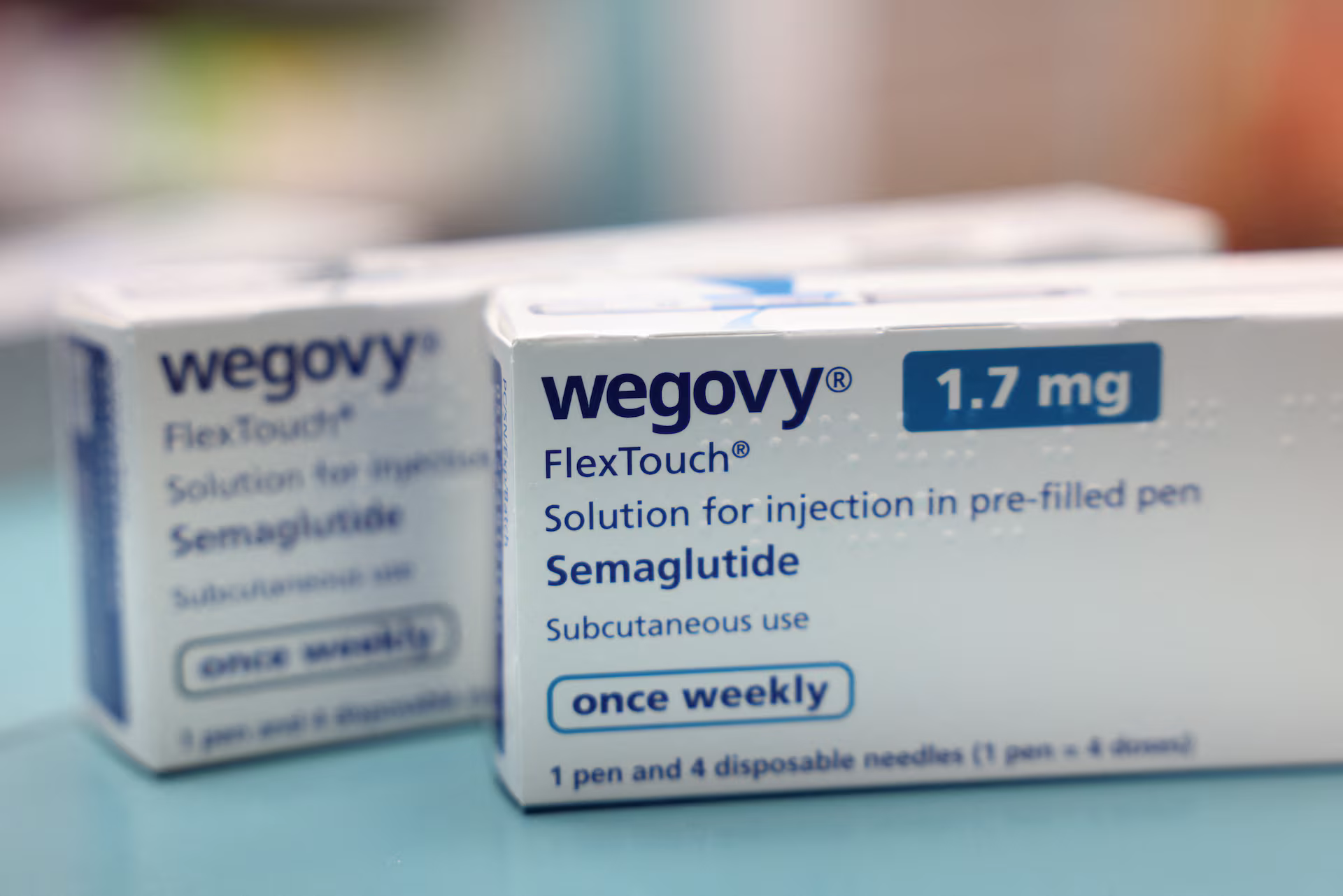
    This morning (5 January 2026), Novo Nordisk didn’t just announce something, it changed the format of the obesity conversation. The company has now launched Wegovy as a once-daily pill in the US, with starter doses priced for self-pay patients and wide pharmacy availability. That matters because for millions of people, the barrier to GLP-1 treatment hasn’t been belief, it’s been needles, logistics, and follow-through.

    The deeper significance of this launch is not just that it’s Wegovy in another form but rather, a medication moving from a weekly injection to a daily tablet changes the shape of demand. Injections come with built-in friction: needle comfort, storage, technique, a weekly ritual, and a sense that this is specialist medicine. Pills remove some of that friction and make initiation more normal. And when initiation becomes normal, health systems inherit a new operational question: what happens after the first prescription? Novo’s launch strategy reinforces that shift because now, the clinical system must become stronger at everything that comes next, selection, support, monitoring, and maintenance.

    Reuters reports wide availability through major US pharmacies, including retail brands such as CVS and Costco, alongside telehealth partners. That combination, retail distribution plus telehealth routes, pushes obesity treatment closer to consumer channels. It doesn’t automatically make care worse. But it does change the risk profile, because consumer channels tend to scale faster than structured clinical follow-up.

    The pricing reported at launch is also best understood as a signal rather than a story in itself. Reuters reports starter doses priced at $149 per month for 1.5 mg and 4 mg, with higher doses (9 mg and 25 mg) at $299 per month, with a planned increase of the 4 mg dose to $199 from 15 April 2026.   Whether those prices feel low or high depends on context, but the strategic meaning is clear: reduce barriers to starting, then move people upward through dosing.

    Right now, it is important to anchor this discussion in clinical reality. The medication is not being launched because it is marginal; it is being launched because the evidence base is strong. Reuters reports late-stage trial results showing around 16.6% average weight loss over 64 weeks at the 25 mg dose. But if effectiveness explains why a pill exists, it does not explain whether we are ready for its scale.  Daily dosing changes adherence patterns for eaxmple, a missed weekly injection and a missed daily tablet are different behaviors. Moreover, daily regimens can fit routine more naturally, but they can also drift quietly, missed days that become weeks, inconsistent use, stop-start cycles, and symptom management done informally without clinical input.

    The launch also highlights the need to separate access from care. A pill doesn’t solve every access problem, but it reshapes what scale could look like, and it forces health systems to ask a harder question: are we ready for obesity treatment to move from a specialist, injection-led era into something closer to primary-care volume? If a health system expands access without expanding care infrastructure, it may create a short-term surge in starts followed by a long-term wave of discontinuation, complications, and public backlash. The danger is not that the medication does not work; it is that the system does not support people to use it well.

    Novo is also emphasizing readiness to meet demand, an important message after supply concerns in the broader GLP-1 category. Reuters reports Novo says it is prepared to meet demand for the oral product. Supply matters because continuity matters; obesity treatment is not a short course, it is chronic management. Interruptions can destabilize progress, increase frustration, and amplify narratives that frame obesity medication as hype rather than a legitimate long-term tool.

    Although this is a US launch, the implications are global. Once the form factor changes, public expectations shift internationally. Reuters’ reporting notes that a UK decision is expected by year-end 2026.  Whether a system is publicly funded, privately insured, or mixed, the same pressure will appear: why is a pill available “somewhere else”? why is access restricted? why is support uneven? A pill that scales quickly can accelerate those questions, and systems will need coherent answers. In effect, the success of this ‘pill era’ will depend not only on pharmacology, but on whether systems can create light-touch, scalable follow-up that prevents avoidable failures.

    The second operational shift is that pills often broaden the prescriber universe. When a therapy feels more familiar, more clinicians and more platforms are likely to offer it. That can be a positive development if it brings obesity care into mainstream chronic disease management. But it becomes risky if the medication is treated as the full intervention rather than the entry point into a structured pathway.

    Obesity treatment intersects with comorbidities, medication interactions, tolerability issues, and long-term maintenance planning. A growing cohort of patients starting treatment means a growing cohort needing guidance on side effects, dose escalation, expectations, plateaus, and discontinuation. This is where governance matters.

    If obesity care is becoming retail, then health systems need clarity on ownership. When someone starts through telehealth or a retail channel, who holds longitudinal responsibility? Who ensures the right screening happens? Who checks for red flags? Who manages escalation when side effects are severe, or when rapid weight loss intersects with other conditions? Without clear ownership, the default becomes fragmentation, and fragmentation is where avoidable harm hides.

    The Wegovy pill is not simply a new product. It is a systems test of whether we can treat obesity like the chronic, multi-factor condition it is, at the volume the public has been waiting for. The most important questions now are not only about who can obtain the medication, but about what responsible scale looks like. If more people start treatment, who funds and owns follow-up? What guardrails should exist for high-volume prescribing through consumer channels? And how do we protect long-term outcomes from short-term narratives, so that this moment becomes a step forward in chronic disease care rather than another cycle of enthusiasm followed by disappointment?

    Quick facts box

    • US launch: 5 Jan 2026 
    • FDA approval reported: 22 Dec 2025 
    • Self-pay pricing at launch (reported): $149/month (1.5 mg, 4 mg); $299/month (9 mg, 25 mg); 4 mg rises to $199 from 15 Apr 2026 
    • Availability (reported): major US pharmacies + telehealth partners 
    • Efficacy headline (reported): ~16.6% weight loss at 64 weeks in trial 

    Sources:

    • Reuters – Novo Nordisk launches Wegovy weight-loss pill in the US (5 Jan 2026).
    • Reuters – Coverage of FDA approval of oral Wegovy (Dec 2025).
    • Reuters – Trial result coverage for oral semaglutide (16.6% at 64 weeks) and launch pricing details.

  • Mounjaro and the Politics of Price:The New UK Price Shockwave

    Mounjaro and the Politics of Price:The New UK Price Shockwave

    On 1 September 2025, Mounjaro, Eli Lilly’s diabetes and weight-loss drug formulation of tirzepatide, will see a price hike in the UK of about 170%, with smaller increases on lower doses. It’s the kind of announcement that leaves many people asking: how did we get here; how is a lifesaving therapy a luxury for some and not others? And what does this split say about fairness and access within the UK’s healthcare system? Let’s dive in!

    What Mounjaro Does: Why This Hike Matters

    Mounjaro, a weekly injection originally developed to improve blood-sugar control in people with type 2 diabetes, quickly gained attention for its dramatic weight-loss results. Beyond its clinical purpose, the medication has sparked a wave of hope for those who have long struggled with obesity and related health challenges. It has also become part of everyday conversations, from doctor’s offices to social media, as more people share their personal journeys on it. For many, Mounjaro is not just another drug in the medicine cabinet or cooler, it has been a lifeline. With its popularity rising so fast, it’s no surprise that changes in price are causing some strong reactions.

    The UK Fallout: From Lifeline to Luxury

    The dramatic increase affects private prescriptions only; the National Health Service (NHS) has a separate pricing agreement. Therefore, patients receiving Mounjaro through the NHS will not see a change, at least not yet. However, because eligibility for NHS prescriptions of the drug is strict and limited, and majority of patients obtain the drug through private providers, the impact of this is significant. For private prescription patients in the UK, this means those on the highest dose could see their monthly bill jump from about £122 to £330 or more. In comparison, the same dose in the United States costs nearly $1,000 for patients paying out of pocket. Eli Lilly says the price increase brings the UK into line with other developed countries.

    The Bigger Picture: More Than Just Numbers

    The announcement wasn’t random. In July, U.S. President Donald Trump sent letters to major pharmaceutical companies, demanding they lower the cost of medicines for Americans, or face consequences. In response, Eli Lilly said it would “rebalance” its pricing worldwide. As part of that plan, the company said it will raise UK list prices while seeking cuts in the United States, in effect, shifting costs from one market to another. Translation: keep U.S. prices down by hiking prices elsewhere, including Europe and the UK. 

    The move fits into a bigger pattern. For decades, Americans have paid some of the world’s highest prices for medicines. By contrast, European governments, like the NHS, negotiate lower rates. To resolve the imbalance, Eli Lilly seems to be shifting the burden, which now raises a troubling question: are UK patients now collateral damage in America’s battle over drug costs? On one hand, lowering prices in the United States addresses a long‑standing issue: Americans pay more for medicines than citizens of many other rich countries. On the other hand, shifting the burden to UK patients raises questions of equity. Is it fair to make one group of patients pay more so that another can pay less? 

    Profits vs People: Who Really Pays The Price?

    The Mounjaro story shines a spotlight on how political decisions in one country ripple across the world. A letter from Washington lands on pharma CEOs’ desks, and within weeks patients in the UK and Europe face higher prices. When Mounjaro launched in early 2024, the UK list price was set lower than in many European markets, to ensure fast NHS access and to help private patients while similar drugs were scarce. But now, the calculus has changed after U.S. political pressure, and patients in the UK especially private ones will face the brunt of it all.

    This story also highlights the complexities of global drug pricing. This isn’t just about one drug. It’s about who shoulders the cost of healthcare in a global system tilted toward profit. Pharmaceutical companies often defend high prices as necessary for research and development. But let’s not forget, Eli Lilly reported record revenues from Mounjaro last year. It’s already one of the most profitable drugs on the planet. So is this about funding innovation, or protecting profits? And what about prevention? If patients abandon treatment because of cost, the NHS could end up with more diabetes complications, more hospital admissions, and higher bills down the line.

    Health Equity on trial: Private vs NHS

    Imagine two people using the same medicine. One pays almost nothing at the pharmacy counter, the other pays hundreds of pounds every month out of pocket. That’s the reality now facing Mounjaro users in the UK. The situation also exposes a two‑tier system within the UK. Patients who qualify for NHS coverage avoid the price surge, while others, often those who sought timely treatment outside the NHS shoulder the full cost. This disparity reflects a deeper divide and invites a wider debate about how essential medicines are funded, and who bears the burden when prices change.

    The news of the hike has prompted panic buying. In the last couple of weeks, reports have surfaced of private patients ordering multiple Mounjaro pens at once to lock in lower prices before the September deadline. Some online pharmacies have responded by freezing prices temporarily to protect patients. Health professionals warn that stockpiling can lead to shortages and counterfeit products.

    By combining the narratives of the initial price hike and the split reality between NHS and private patients, it becomes clear that the real issue is equitable access. Mounjaro’s price shock illustrates how international policy, corporate strategies and national healthcare systems intersect, sometimes to the detriment of patients.

    Where Does This Leave UK Patients: Access vs Affordability

    For those who rely on Mounjaro to manage both diabetes and weight, the question is simple: what happens now?  While one group of patients sees no change, another suddenly finds the treatment nearly unaffordable. For now, NHS patients with type 2 diabetes can breathe a sigh of relief, the price hike won’t touch them. But for private patients, the road just got much steeper.

    Because the drug is not widely available on the NHS for weight management, many who have found success with it for weight loss go through private clinics for prescriptions. These patients who found hope in Mounjaro, are now bracing for a future where that hope comes with a much higher and potentially unaffordable price tag. From September 2025, those who had been paying around £1 500 a year could now face bills exceeding £4 000 per year just to stay on treatment. For many, that’s simply unsustainable and some will stop altogether, while others may try to stretch doses, potentially undermining their health.

    What Happens Next: Navigating Limited Options

    For those facing higher costs, clinicians suggest some options:

    • Consult healthcare providers about dosing. Lower doses are less expensive; a physician can advise whether a lower dose is appropriate.
    • Seek NHS access if eligible. People with severe obesity or multiple weight‑related conditions may qualify for NHS tirzepatide.
    • Consider alternatives. Other GLP‑1 receptor agonists, such as Wegovy (semaglutide) or Saxenda, remain cheaper. Wegovy is expected to cost less than Mounjaro after the increase.
    • Avoid unregulated sellers. Off‑market pens may be unsafe or counterfeit.

    These steps offer some relief, but they also underscore the precarious position of patients reliant on private prescriptions.

    Looking Forward: Access or Profit?

    Behind all this, one fact remains; a drug that was meant to improve lives is now exposing just how fragile and unequal access to healthcare can be. Whether through better global price coordination, more inclusive NHS criteria or alternative funding models, policymakers and companies will need to address the gaps revealed by the Mounjaro saga. Because when lifesaving therapies are priced beyond reach, everyone ultimately pays a higher cost. And the uncomfortable questions linger:

    • How fair is a system where access depends not on need, but on where you get your prescription?
    • Is health in the UK becoming a two-tier system, where the wealthy get options, and everyone else gets limits?

    References

    • Reuters. “Lilly to hike UK price of Mounjaro weight‑loss, diabetes medicines by 170%,” Aug. 14, 2025.
    • Numan. “Worried about Mounjaro price changes? Here’s what you need to know,” Aug. 18, 2025.
    • Simple Online Pharmacy. “Mounjaro UK Price Increase: What it Means for You,” 2025.
    • The Pharmaceutical Journal. “UK’s biggest online pharmacy freezes Mounjaro price amid reports of stockpiling,” Aug. 18, 2025.