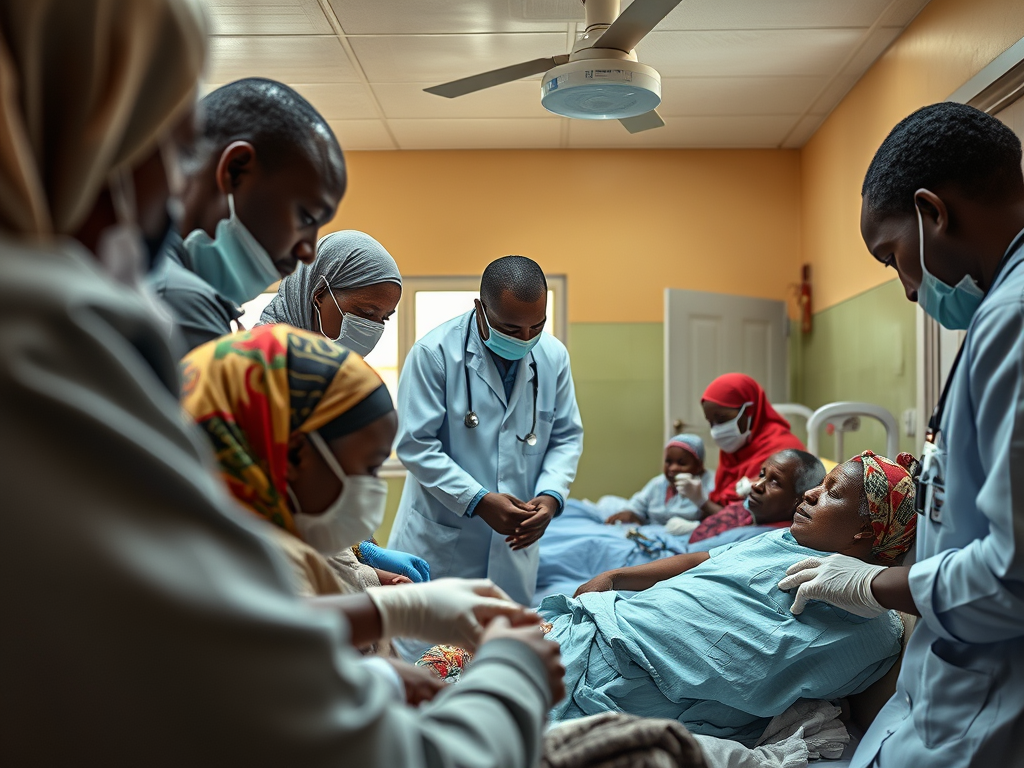
Unseen Battles
One year ago today, on the 1st November, my father passed away following complications from stroke. As I reflect on his life, I am reminded that his story is shared by thousands of families across West Africa, stories of strength, faith, and quiet endurance in the face of a devastating illness that too often claims lives far too soon. This post is both a tribute to his memory and a reminder of the urgent need to confront the growing burden of stroke in our region.
Understanding Stroke
A stroke occurs when blood flow to part of the brain is interrupted or reduced, depriving brain tissue of oxygen and nutrients. Within minutes, brain cells begin to die. The two main types are ischemic stroke, caused by a blockage such as a blood clot, and hemorrhagic stroke, caused by bleeding in the brain. Globally, stroke is the second leading cause of death and a major cause of long-term disability. Yet, what makes it particularly tragic is that up to 80% of strokes are preventable through the control of modifiable risk factors such as high blood pressure, diabetes, smoking, and unhealthy diets.
In many African settings, however, the warning signs of stroke are not widely recognized, and emergency response systems are weak or underdeveloped. The classic warning signs can be remembered with the acronym FAST:
F – Face drooping
A – Arm weakness
S – Speech difficulty
T – Time to call for help immediately
The African Reality
Africa, particularly sub-saharan Africa, is experiencing a silent but alarming rise in stroke cases. According to the World Health Organization (WHO) and the Global Burden of Disease Study, Africa has some of the highest stroke mortality rates in the world, estimated at over 100 deaths per 100,000 people annually, compared to fewer than 50 in most high-income regions.
In West Africa, studies from Nigeria, Ghana, and Cameroon reveal a disturbing trend: stroke is affecting people at younger ages, often in their 40s and 50s, decades earlier than in Western countries. Urbanization, sedentary lifestyles, high salt consumption, and limited access to preventive healthcare are driving this shift.
Hypertension remains the single most important risk factor, yet millions remain undiagnosed or untreated. Many people only discover they have high blood pressure after suffering a stroke. Limited access to affordable medication and the perception that “feeling fine” means being healthy continue to hinder prevention.
Why Stroke Outcomes Remain Poor
When it comes to stroke, time is brain, every minute counts. But in much of Africa, emergency response is delayed by multiple barriers:
- Low awareness of stroke symptoms means people often seek help too late.
- Transportation challenges and the absence of reliable ambulance systems prolong the time to hospital arrival.
- Financial constraints lead to delayed decision-making, as families must weigh treatment costs against household budgets.
- Limited stroke units, specialized hospital departments equipped to handle acute stroke care, are rare, even in urban tertiary hospitals.
In many facilities, brain imaging such as CT or MRI is unavailable or unaffordable, making accurate diagnosis difficult. As a result, treatment decisions often rely on symptoms rather than scans, leading to suboptimal outcomes.
Life After Stroke: The Unseen Struggle
For those who survive, life after stroke is often a long and uncertain journey. Recovery requires rehabilitation therapy, including physiotherapy, speech therapy, and occupational therapy, services that are either unavailable or too expensive for most families. Care often falls to relatives, who provide support with little training or external help. The burden, emotional, financial, and physical, can be overwhelming. In some communities, stroke survivors face stigma, being viewed as cursed or “spiritually attacked,” which further isolates them.
My father’s journey reminded me how even the most resilient and disciplined individuals can find themselves vulnerable in systems not built for recovery. His determination inspired those around him, but it also exposed the gaps that so many families continue to face.
Hope and Progress: Changing the Story
Despite the challenges, there are reasons for hope. Across Africa, a growing movement is emerging to improve stroke prevention and care:
- The African Stroke Organization (ASO), established in 2020, has been leading collaborative research, advocacy, and capacity building across the continent.
- Community-based screening programs for hypertension and diabetes are expanding in Ghana, Nigeria, Kenya, and South Africa, supported by the WHO’s PEN (Package of Essential Noncommunicable Disease Interventions) program.
- Mobile health initiatives, such as SMS reminders for medication adherence and blood pressure monitoring apps, are being piloted to improve long-term control of risk factors.
- Public awareness campaigns, often led by medical societies and NGOs, are bringing stroke education to churches, workplaces, and radio talk shows, helping people recognize early warning signs.
- While these steps are small compared to the scale of the challenge, they represent a shift in mindset, from reactive to preventive, from despair to determination.
A Call to Action
Tackling stroke in Africa requires a multi-level response:
- Governments must integrate stroke care into national non-communicable disease policies and ensure essential medications remain affordable.
- Health institutions must strengthen emergency systems, train more neurologists, and establish dedicated stroke units.
- Communities and faith-based groups can play a vital role by promoting blood pressure checks and sharing accurate health information.
- Individuals can take responsibility for regular screening, healthy eating, and exercise, because prevention begins long before crisis strikes.
In Loving Memory
As I write this, I think of my father’s courage and faith, even in illness. His life embodied service and discipline, and his passing deepened my understanding of how fragile, yet precious, health truly is.
The KODAN Foundation, a nonprofit memorial established in his honor, seeks to carry that same spirit forward, to uplift others, spread hope, and champion causes that make a difference.
If this reflection reaches even one person who decides to check their blood pressure, learn the signs of stroke, or support a loved one through recovery, then his legacy, and the purpose of this message, continues to live on.
Sources / Helpful Resources
- Owolabi, M. O., et al. (2023). The African Stroke Organization roadmap for stroke prevention and care in Africa. Lancet Neurology, 22(4), 308–322.
- World Health Organization (2021). Package of Essential Noncommunicable (PEN) Disease Interventions for Primary Health Care in Low-Resource Settings, 2021 update. Geneva: WHO.
- World Health Organization (2023). Cardiovascular diseases (CVDs): Key facts. https://www.who.int/news-room/fact-sheets/detail/cardiovascular-diseases-(cvds)