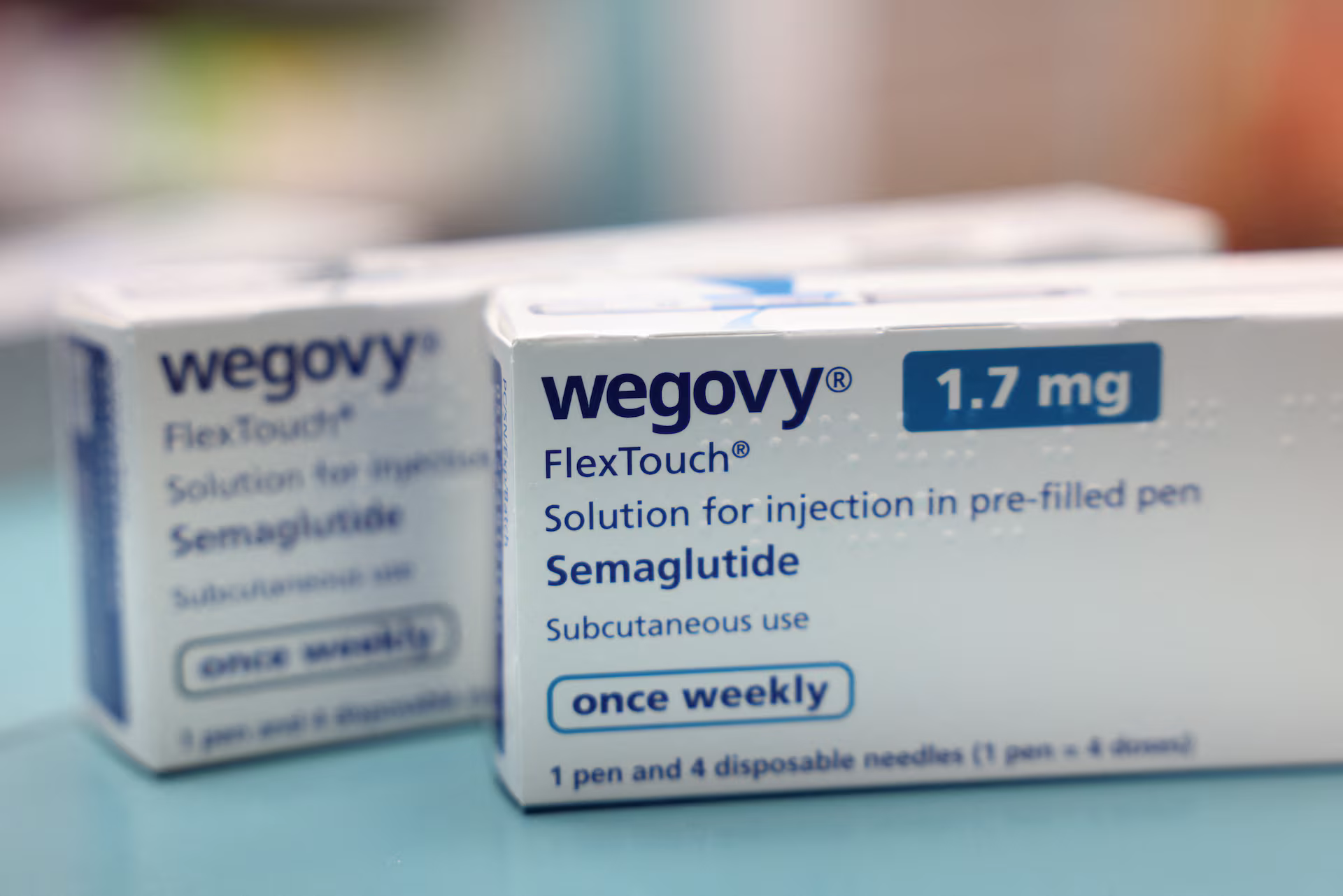
The FDA approved Novo Nordisk’s once-daily Wegovy weight-loss pill in late December 2025, a regulatory green light that matters only if it translates into real-world prescribing and pharmacy availability. I have been drafting this article since the approval announcement, in keen anticiaption of the public product release. I finally get to fill in the blanks with verified information and publish, because obesity care is retail now; real-world orders and dispensing of the pill started officially, today!
This morning (5 January 2026), Novo Nordisk didn’t just announce something, it changed the format of the obesity conversation. The company has now launched Wegovy as a once-daily pill in the US, with starter doses priced for self-pay patients and wide pharmacy availability. That matters because for millions of people, the barrier to GLP-1 treatment hasn’t been belief, it’s been needles, logistics, and follow-through.
The deeper significance of this launch is not just that it’s Wegovy in another form but rather, a medication moving from a weekly injection to a daily tablet changes the shape of demand. Injections come with built-in friction: needle comfort, storage, technique, a weekly ritual, and a sense that this is specialist medicine. Pills remove some of that friction and make initiation more normal. And when initiation becomes normal, health systems inherit a new operational question: what happens after the first prescription? Novo’s launch strategy reinforces that shift because now, the clinical system must become stronger at everything that comes next, selection, support, monitoring, and maintenance.
Reuters reports wide availability through major US pharmacies, including retail brands such as CVS and Costco, alongside telehealth partners. That combination, retail distribution plus telehealth routes, pushes obesity treatment closer to consumer channels. It doesn’t automatically make care worse. But it does change the risk profile, because consumer channels tend to scale faster than structured clinical follow-up.
The pricing reported at launch is also best understood as a signal rather than a story in itself. Reuters reports starter doses priced at $149 per month for 1.5 mg and 4 mg, with higher doses (9 mg and 25 mg) at $299 per month, with a planned increase of the 4 mg dose to $199 from 15 April 2026. Whether those prices feel low or high depends on context, but the strategic meaning is clear: reduce barriers to starting, then move people upward through dosing.
Right now, it is important to anchor this discussion in clinical reality. The medication is not being launched because it is marginal; it is being launched because the evidence base is strong. Reuters reports late-stage trial results showing around 16.6% average weight loss over 64 weeks at the 25 mg dose. But if effectiveness explains why a pill exists, it does not explain whether we are ready for its scale. Daily dosing changes adherence patterns for eaxmple, a missed weekly injection and a missed daily tablet are different behaviors. Moreover, daily regimens can fit routine more naturally, but they can also drift quietly, missed days that become weeks, inconsistent use, stop-start cycles, and symptom management done informally without clinical input.
The launch also highlights the need to separate access from care. A pill doesn’t solve every access problem, but it reshapes what scale could look like, and it forces health systems to ask a harder question: are we ready for obesity treatment to move from a specialist, injection-led era into something closer to primary-care volume? If a health system expands access without expanding care infrastructure, it may create a short-term surge in starts followed by a long-term wave of discontinuation, complications, and public backlash. The danger is not that the medication does not work; it is that the system does not support people to use it well.
Novo is also emphasizing readiness to meet demand, an important message after supply concerns in the broader GLP-1 category. Reuters reports Novo says it is prepared to meet demand for the oral product. Supply matters because continuity matters; obesity treatment is not a short course, it is chronic management. Interruptions can destabilize progress, increase frustration, and amplify narratives that frame obesity medication as hype rather than a legitimate long-term tool.
Although this is a US launch, the implications are global. Once the form factor changes, public expectations shift internationally. Reuters’ reporting notes that a UK decision is expected by year-end 2026. Whether a system is publicly funded, privately insured, or mixed, the same pressure will appear: why is a pill available “somewhere else”? why is access restricted? why is support uneven? A pill that scales quickly can accelerate those questions, and systems will need coherent answers. In effect, the success of this ‘pill era’ will depend not only on pharmacology, but on whether systems can create light-touch, scalable follow-up that prevents avoidable failures.
The second operational shift is that pills often broaden the prescriber universe. When a therapy feels more familiar, more clinicians and more platforms are likely to offer it. That can be a positive development if it brings obesity care into mainstream chronic disease management. But it becomes risky if the medication is treated as the full intervention rather than the entry point into a structured pathway.
Obesity treatment intersects with comorbidities, medication interactions, tolerability issues, and long-term maintenance planning. A growing cohort of patients starting treatment means a growing cohort needing guidance on side effects, dose escalation, expectations, plateaus, and discontinuation. This is where governance matters. The question then becomes, who decides whether a person should or should not take the pill; the patient or the provider?
If obesity care is becoming retail, then health systems need clarity on ownership. When someone starts through telehealth or a retail channel, who holds longitudinal responsibility? Who ensures the right screening happens? Who checks for red flags? Who manages escalation when side effects are severe, or when rapid weight loss intersects with other conditions? Without clear ownership, the default becomes fragmentation, and fragmentation is where avoidable harm hides.
The Wegovy pill is not simply a new product. It is a systems test of whether we can treat obesity like the chronic, multi-factor condition it is, at the volume the public has been waiting for. The most important questions now are not only about who can obtain the medication, but about what responsible scale looks like. If more people start treatment, who funds and owns follow-up? What guardrails should exist for high-volume prescribing through consumer channels? And how do we protect long-term outcomes from short-term narratives, so that this moment becomes a step forward in chronic disease care rather than another cycle of enthusiasm followed by disappointment?
Quick facts box
- US launch: 5 Jan 2026
- FDA approval reported: 22 Dec 2025
- Self-pay pricing at launch (reported): $149/month (1.5 mg, 4 mg); $299/month (9 mg, 25 mg); 4 mg rises to $199 from 15 Apr 2026
- Availability (reported): major US pharmacies + telehealth partners
- Efficacy headline (reported): ~16.6% weight loss at 64 weeks in trial
Sources:
- Reuters – Novo Nordisk launches Wegovy weight-loss pill in the US (5 Jan 2026).
- Reuters – Coverage of FDA approval of oral Wegovy (Dec 2025).
- Reuters – Trial result coverage for oral semaglutide (16.6% at 64 weeks) and launch pricing details.